

Key Takeaways from the 2023 Presidential Elections: A Comparative Analysis of Obi and Wike
The 2023 presidential elections in Nigeria showcased the contrasting political strategies of Peter Obi and Nyesom Wike, highlighting the evolving landscape of voter mobilization and party dynamics. This analysis underscores the significance of long-term political groundwork versus the immediacy of grassroots support in shaping electoral outcomes.
The Abuja Times

The 2023 presidential elections in Nigeria revealed critical lessons about political strategies and voter engagement, particularly through the lens of candidates Peter Obi and Nyesom Wike. Bola Ahmed Tinubu’s political journey illustrated the necessity of building a robust political foundation over time, showcasing a model of sustained political engagement that ultimately paid off in the presidential race. Conversely, Wike’s Rainbow Coalition demonstrated the potential and limitations of cross-party elite coordination, indicating that while alliances can amplify political influence, they may also falter without a cohesive grassroots movement.
Peter Obi's campaign, on the other hand, was a vivid illustration of how swiftly a candidate can galvanize public support, even in the absence of a traditional party infrastructure. His ability to connect with millions of voters in a short time frame raised critical questions about the future of political mobilization in Nigeria, especially among younger demographics who are increasingly disillusioned with conventional party politics.
The juxtaposition of Obi’s grassroots mobilization against Wike’s elite coalition offers a compelling narrative about the changing tides of Nigerian politics. As the electorate becomes more engaged and discerning, the traditional metrics of political success may need reevaluation. The dynamics observed in the 2023 elections could signal a shift towards candidates who prioritize voter connection over entrenched political alliances.
“The historical question now is whether these lessons will be integrated into future electoral strategies, as both candidates have shown that the landscape of Nigerian politics is evolving rapidly.”
As Nigeria looks ahead to future elections, understanding the implications of these contrasting approaches will be essential for political aspirants. The 2023 elections may very well mark a pivotal moment in the nation’s political evolution, urging parties to reconsider their strategies in a landscape that is increasingly defined by voter agency and grassroots activism.
Share this article with your network
Broadcast directly to WhatsApp communities and news circles.
The Abuja Morning Dispatch
Get the capital's most important political investigations, cabinet decisions, and economic intelligence delivered to your inbox every morning.
About The Abuja Times
Super Admin & Lead Director
Related Dispatches in News
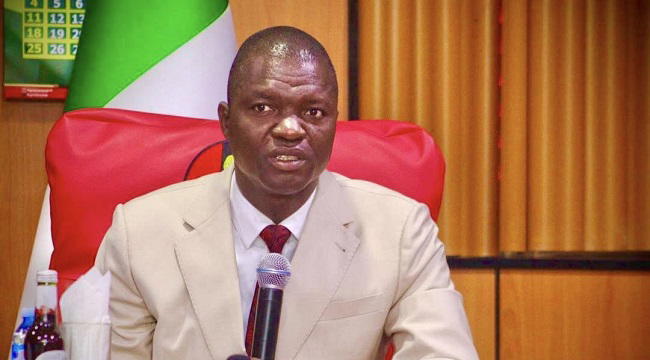
Governor Nwifuru's Development Agenda Transforms Ebonyi State
Despite opposition claims of stagnation, Governor Francis Nwifuru's administration is actively implementing significant development projects across Ebonyi State, demonstrating a commitment to progress in education and infrastructure.

SPECIAL REPORT: 2027 polls and rising tide of violence, hate speech
Since the commencement of the campaigns, the nation has witnessed violent attacks launched on campaign rallies, town hall meetings and other political events organised by parties in their quest for th
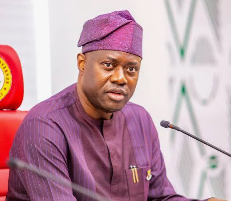
Seyi Makinde Unveils 'Reset Agenda' to Transform Nigeria's Governance and Economy
Oyo State Governor Seyi Makinde has launched his 'Reset Agenda,' aiming to decentralize power and enhance security in Nigeria. The ambitious plan seeks to rebuild the relationship between the government and citizens while addressing systemic institutional challenges.