

Justice Kudirat Kekere-Ekun Becomes 18th Chief Justice of Nigeria Since Independence
Justice Kudirat Kekere-Ekun has been sworn in as the 18th Chief Justice of Nigeria, marking a significant milestone in the country's judicial history. She is the second woman to hold this esteemed position, succeeding Justice Olukayode Ariwoola.
The Abuja Times
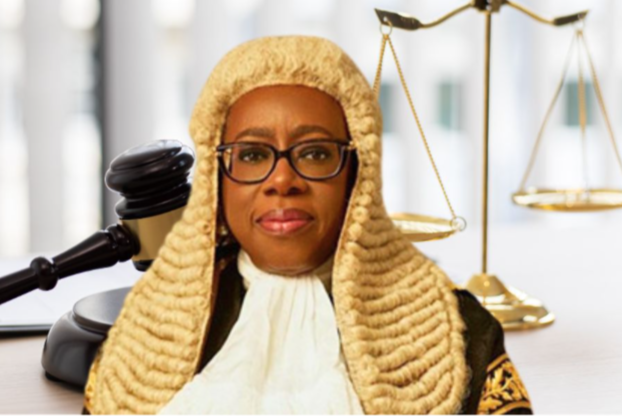
Justice Kudirat Kekere-Ekun was officially sworn in as the acting Chief Justice of Nigeria on August 23, 2024, and will assume her role as the substantive Chief Justice on September 30, 2024. Her appointment is noteworthy not only because she is the 18th leader of Nigeria's Judiciary since the country gained independence in 1960 but also because she follows in the footsteps of Justice Alooma Mukthar, becoming only the second woman to lead the nation's judiciary.
The history of Nigeria's Chief Justices reveals a predominantly male leadership, with only two women holding the position over 66 years. The list of past Chief Justices includes notable figures such as Sir Adetokunbo Ademola, who served from 1960 to 1972, and the last Chief Justice, Olukayode Ariwoola, who retired just before Kekere-Ekun's appointment. The transition of leadership underscores the evolving dynamics within Nigeria's legal system.
Kekere-Ekun's rise to the apex of Nigeria's judiciary is a testament to her extensive legal experience and dedication to justice. As she steps into her new role, the legal community is keenly observing how her leadership will influence judicial reforms and the rule of law in the country. Her predecessors have faced numerous challenges, including issues of corruption and judicial independence, and her tenure will likely address these ongoing concerns.
“Justice Kekere-Ekun’s appointment is a significant advancement for women in Nigerian law and signals a commitment to diversity within the judiciary,” remarked a legal expert, reflecting on the importance of representation at the highest levels of the legal system.
As the new Chief Justice prepares to take office, many stakeholders in the legal and political spheres are hopeful for a renewed focus on transparency and accountability within the judiciary. The legal community anticipates that her leadership will pave the way for a more robust and equitable justice system in Nigeria.
Share this article with your network
Broadcast directly to WhatsApp communities and news circles.
The Abuja Morning Dispatch
Get the capital's most important political investigations, cabinet decisions, and economic intelligence delivered to your inbox every morning.
About The Abuja Times
Super Admin & Lead Director
Related Dispatches in News

Tragic Loss: Abia APGA Governorship Candidate Gregory Ibe Passes Away
Gregory Ibe, the Abia State governorship candidate for the All Progressives Grand Alliance (APGA) in 2023, has died after a prolonged health battle. His family commemorates him as a devoted educator and philanthropist who made significant contributions to society.

EFCC Takes Action Against Four Individuals in N44 Million Contract Fraud Case
The Economic and Financial Crimes Commission has filed charges against four defendants in Maiduguri over a N44 million contract fraud. The charges encompass serious allegations including conspiracy and forgery, highlighting ongoing efforts to combat corruption in Nigeria.

Environmental Group Urges Government to Close Hazardous Gas Pipelines Following Rivers Explosion
The Health of Mother Earth Foundation (HOMEF) has called on the Nigerian government to shut down dangerous gas pipelines after an explosion in Rivers State exposed local residents to serious risks. The organization emphasized the need for immediate action to prevent further incidents following reports of a suspected gas leak along the pipeline corridor.