

Judicial Conflicts Erode Trust in Nigeria's Legal System as Courts Issue Divergent Rulings
The Nigerian judiciary faces mounting scrutiny over conflicting rulings from different courts, jeopardizing its credibility and causing legal uncertainty. Recent high-profile cases, including the Kano Emirate crisis, underscore the urgent need for reform within the judicial system.
The Abuja Times
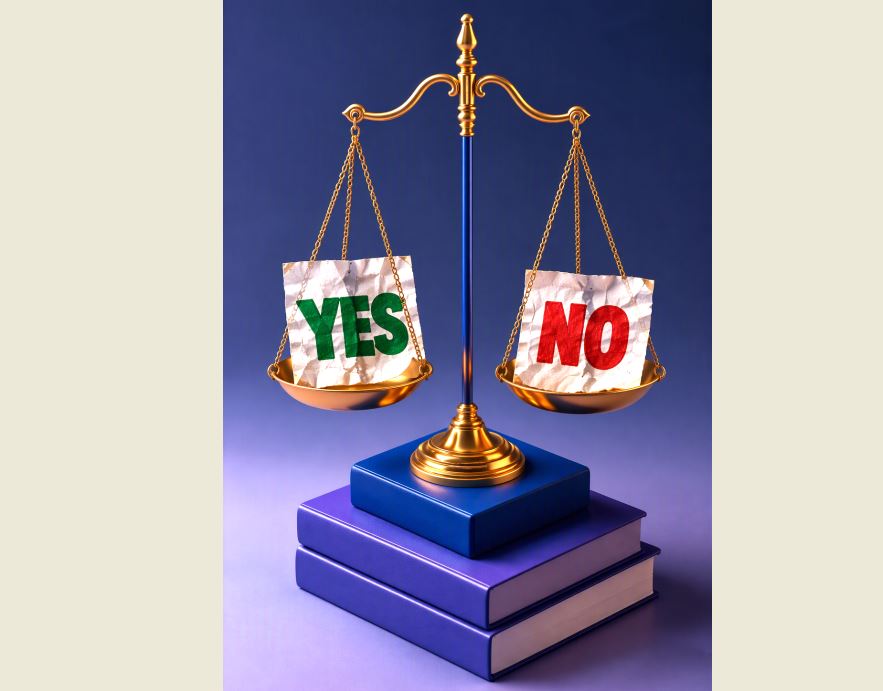
Nigeria's judicial system is currently grappling with a troubling phenomenon: conflicting judgments issued by different courts on the same legal issues. This inconsistency not only breeds confusion among litigants, lawyers, and security agencies but also poses a significant threat to the integrity of the judiciary, raising alarms about its ability to deliver justice impartially.
The National Judicial Council (NJC) has recognized the gravity of this situation, particularly in light of the recent Kano Emirate crisis. In May 2024, the NJC convened an emergency meeting with Chief Judges from both the Federal High Court and the Kano State High Court after a series of contradictory rulings emerged regarding the Kano chieftaincy dispute. The NJC's concern was palpable as they described these conflicting judgments as "very disturbing," highlighting a crisis that could escalate if not addressed.
One such case that exemplifies this issue occurred on May 23, 2024, when Justice A.M. Liman of the Federal High Court issued an ex-parte order suspending the implementation of the Kano State Emirate Council (Repeal) Law, 2024. Just days later, Justice Amina Adamu Aliyu of the Kano State High Court countered this with an order preventing security agencies from removing the deposed Emir, Muhammadu Sanusi II, from his palace. These conflicting orders not only add to the legal confusion but also risk turning courtroom disputes into public crises, particularly in politically sensitive cases.
Such duplicity in judicial decisions fosters an atmosphere of uncertainty and mistrust among the populace, who rely on the courts to uphold the rule of law. As Nigeria marks its 66th year of independence, the urgent need for judicial reform is evident, calling on stakeholders to ensure that the courts can operate without conflicting directives that undermine their authority and effectiveness.
Share this article with your network
Broadcast directly to WhatsApp communities and news circles.
The Abuja Morning Dispatch
Get the capital's most important political investigations, cabinet decisions, and economic intelligence delivered to your inbox every morning.
About The Abuja Times
Super Admin & Lead Director
Related Dispatches in News

Tragic Loss: Abia APGA Governorship Candidate Gregory Ibe Passes Away
Gregory Ibe, the Abia State governorship candidate for the All Progressives Grand Alliance (APGA) in 2023, has died after a prolonged health battle. His family commemorates him as a devoted educator and philanthropist who made significant contributions to society.

EFCC Takes Action Against Four Individuals in N44 Million Contract Fraud Case
The Economic and Financial Crimes Commission has filed charges against four defendants in Maiduguri over a N44 million contract fraud. The charges encompass serious allegations including conspiracy and forgery, highlighting ongoing efforts to combat corruption in Nigeria.

Environmental Group Urges Government to Close Hazardous Gas Pipelines Following Rivers Explosion
The Health of Mother Earth Foundation (HOMEF) has called on the Nigerian government to shut down dangerous gas pipelines after an explosion in Rivers State exposed local residents to serious risks. The organization emphasized the need for immediate action to prevent further incidents following reports of a suspected gas leak along the pipeline corridor.