

Judicial Appointments in Nigeria: Navigating Constitutional Challenges and Political Influence
As Nigeria marks 66 years of independence, the appointment of judges has ignited a vital discussion about the independence of the judiciary amidst political influence. Stakeholders are questioning whether the current process compromises justice amid concerns of conflicting judgments and perceived biases.
The Abuja Times
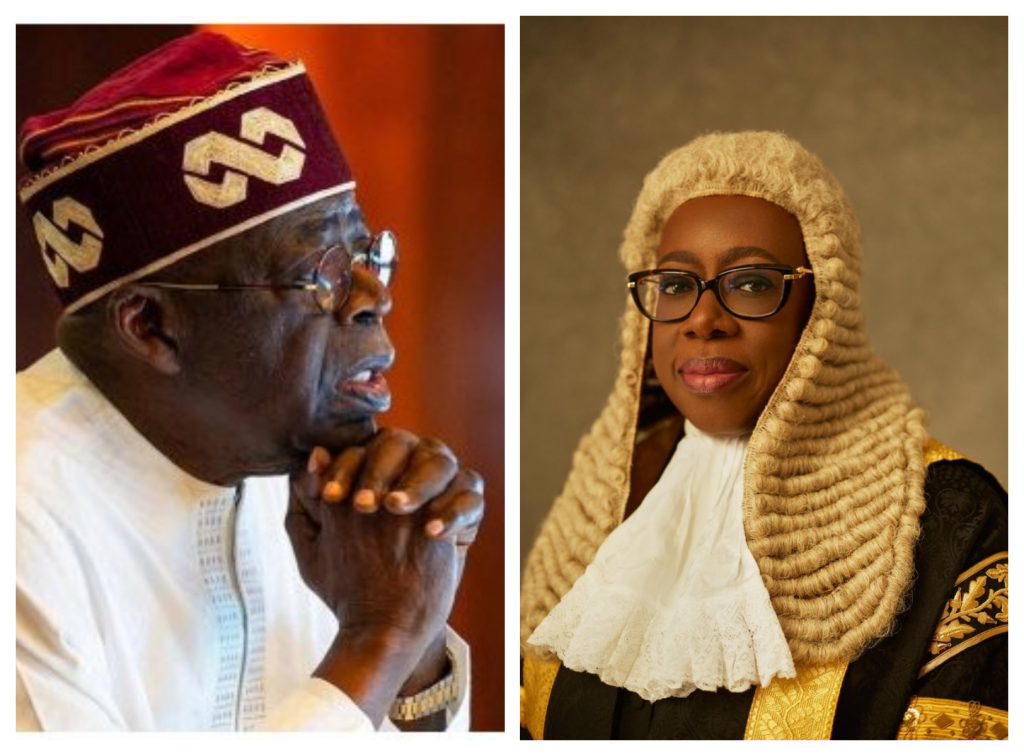
The independence of the Nigerian judiciary is facing renewed scrutiny as stakeholders engage in a critical discourse regarding the appointment of judges. This debate has intensified against a backdrop of rising concerns over conflicting judgments and allegations of political bias in election-related and commercial litigations. As Nigeria celebrates its 66th independence anniversary, the integrity of judicial appointments is being examined, with many questioning the balance between constitutional rigor and the political executives' stranglehold on the judiciary.
According to the 1999 Constitution (as amended), the process for appointing judges appears to be a robust framework designed to elevate only the most qualified legal minds to the Bench. The journey begins with the National Judicial Council (NJC) and the respective Federal or State Judicial Service Commissions, which are tasked with vetting and recommending candidates. However, critics argue that while the process is ostensibly stringent, the ultimate authority held by elected officials, such as the President and state governors, creates significant vulnerabilities to political interference.
The constitutional framework mandates a rigorous selection process that includes nominations and screenings at the Judicial Service Commission (JSC) level, where qualified candidates are first evaluated. The NJC, which upholds a strict integrity policy, subjects these nominees to comprehensive scrutiny, including extensive background checks conducted by the Department of State Services (DSS). This process is designed to eliminate candidates with adverse intelligence or security concerns, while anti-corruption agencies like the Economic and Financial Crimes Commission (EFCC) and the Independent Corrupt Practices and Other Related Offences Commission (ICPC) investigate any financial irregularities.
“While the framework is designed to ensure integrity, the overarching influence of political leaders poses a significant challenge to true judicial independence,” remarked a legal expert familiar with the process.
As the nation reflects on its democratic journey, the dialogue around judicial appointments is crucial for reinforcing the rule of law and restoring public confidence in the judiciary. The ongoing debate highlights the need for reforms that will safeguard against political capture and enhance the credibility of the judiciary, ensuring that justice is not only done but seen to be done.
Share this article with your network
Broadcast directly to WhatsApp communities and news circles.
The Abuja Morning Dispatch
Get the capital's most important political investigations, cabinet decisions, and economic intelligence delivered to your inbox every morning.
About The Abuja Times
Super Admin & Lead Director
Related Dispatches in News

Nigerian Lawmakers Opt Against Border Tours Amid Ebola Concerns, Call for Emergency Health Funds
In light of the ongoing Ebola outbreak, Nigerian lawmakers have declined to conduct tours of the country's border entry points, citing health risks. They are, however, urging the federal government to expedite the release of emergency funds to bolster health responses.

Governor Otti Launches Reconstruction of Two Vital Roads in Aba
In a significant move to enhance Aba's infrastructure, Governor Otti has officially commenced the reconstruction of two crucial roads that have long suffered from neglect. This initiative is expected to boost the city's commercial and industrial activities, revitalizing the local economy.

PDP Faction Condemns Wike's 'Rainbow Coalition' as a Threat to Democracy
A faction of the People's Democratic Party (PDP) has criticized Governor Nyesom Wike for his call to members to support Bola Tinubu's re-election, labeling the initiative as a serious threat to democratic ideals in Nigeria. The faction described Wike's actions as shameful, undermining the party's foundational principles.