

Judicial Accountability in Nigeria: The NJC's Stance Against Misconduct at 66
As Nigeria marks 66 years of independence, the National Judicial Council (NJC) continues to confront judicial misconduct with significant disciplinary actions against judges and justices. High-profile cases, including that of former Chief Justice Walter Onnoghen, underscore the ongoing challenges within the nation's judiciary.
The Abuja Times
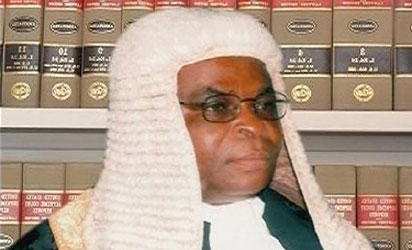
Since gaining independence in 1960, Nigeria's judiciary has grappled with issues of misconduct, prompting the National Judicial Council (NJC) to wield its disciplinary powers against numerous judges and justices. The NJC, the body tasked with overseeing judicial conduct, has taken decisive actions against high-ranking officials, including suspensions, compulsory retirements, and recommendations for dismissal in cases of corruption, abuse of power, and falsification of records.
Among the most notable cases is that of former Chief Justice of Nigeria, Walter Onnoghen, whose fall from grace highlighted the pervasive misconduct within the judicial system. His case, along with those of Supreme Court Justices Sylvester Ngwuta and Inyang Okoro, exemplifies the broader issues the NJC is addressing as it seeks to restore public confidence in the judiciary.
In a landmark move in 2025, the NJC compulsorily retired ten judges in Imo State for age falsification, a scandal that drew widespread attention and criticism. This action reflects the council’s commitment to enforcing standards and accountability among judicial officers, emphasizing the need for integrity in a system that is crucial to upholding the rule of law.
“The sanctions have highlighted the breadth of disciplinary issues confronting the Nigerian judiciary — from financial and professional misconduct to abuse of judicial powers,” said an NJC official, underscoring the seriousness of these violations.
The NJC's rigorous approach to disciplinary measures is crucial not only for the judiciary's integrity but also for ensuring the public's trust in legal institutions. As Nigeria continues to navigate its post-independence landscape, the ongoing efforts of the NJC to address misconduct remain a significant focus in the quest for a just and equitable society.
Share this article with your network
Broadcast directly to WhatsApp communities and news circles.
The Abuja Morning Dispatch
Get the capital's most important political investigations, cabinet decisions, and economic intelligence delivered to your inbox every morning.
About The Abuja Times
Super Admin & Lead Director
Related Dispatches in News

Tragic Loss: Abia APGA Governorship Candidate Gregory Ibe Passes Away
Gregory Ibe, the Abia State governorship candidate for the All Progressives Grand Alliance (APGA) in 2023, has died after a prolonged health battle. His family commemorates him as a devoted educator and philanthropist who made significant contributions to society.

EFCC Takes Action Against Four Individuals in N44 Million Contract Fraud Case
The Economic and Financial Crimes Commission has filed charges against four defendants in Maiduguri over a N44 million contract fraud. The charges encompass serious allegations including conspiracy and forgery, highlighting ongoing efforts to combat corruption in Nigeria.

Environmental Group Urges Government to Close Hazardous Gas Pipelines Following Rivers Explosion
The Health of Mother Earth Foundation (HOMEF) has called on the Nigerian government to shut down dangerous gas pipelines after an explosion in Rivers State exposed local residents to serious risks. The organization emphasized the need for immediate action to prevent further incidents following reports of a suspected gas leak along the pipeline corridor.