

INEC Extends Biometric Support to JAMB to Enhance Examination Integrity
The Independent National Electoral Commission (INEC) has pledged its support to the Joint Admissions and Matriculation Board (JAMB) by offering biometric verification technology. This collaboration aims to bolster the integrity of JAMB's examination processes and improve identification methods for candidates.
The Abuja Times

The Independent National Electoral Commission (INEC) has announced its commitment to assist the Joint Admissions and Matriculation Board (JAMB) by providing biometric verification technology. This initiative, discussed during a recent courtesy visit to INEC's headquarters in Abuja, is part of a broader effort to deepen collaboration between these two vital federal agencies.
During the visit, JAMB Registrar, Professor Segun Aina, led a management team and emphasized the need for enhanced biometric verification to ensure the integrity of examination processes. Aina highlighted INEC's extensive experience in deploying biometric technology for large-scale identification, expressing hope that some of INEC's biometric equipment, which may no longer be in active use, could be made available to JAMB for this purpose.
“We see INEC as a sister agency with considerable expertise in biometric verification, and we believe that their support will significantly strengthen our examination processes,” Aina stated.
Responding to the request, INEC Chairman, Professor Joash Amupitan, SAN, welcomed the JAMB delegation and commended the Board for its crucial role in Nigeria’s education system. He recognized JAMB as an essential institution in shaping the future of the nation’s youth and reiterated INEC's commitment to support educational initiatives.
The collaborative effort between INEC and JAMB is expected to not only enhance the integrity of examinations but also ensure a more secure and reliable process for candidates seeking admission into higher education institutions across Nigeria. This partnership marks a significant step towards integrating technology into the educational framework, fostering trust and transparency in the examination processes.
Share this article with your network
Broadcast directly to WhatsApp communities and news circles.
The Abuja Morning Dispatch
Get the capital's most important political investigations, cabinet decisions, and economic intelligence delivered to your inbox every morning.
About The Abuja Times
Super Admin & Lead Director
Related Dispatches in News

The Influence of Wealthy Businessmen in Nigerian Politics: A Cause for Concern
As Nigeria's political landscape becomes increasingly intertwined with the wealth of a few, questions arise about the implications for democracy and governance. Citizens must scrutinize whose interests are truly being represented in the political arena dominated by billionaire businessmen.
Genomic Analysis Reveals Link Between Nigeria and Kenya Ebola Cases
Recent genomic studies have connected Nigeria's confirmed Ebola case to the index case in Kenya, raising concerns as health authorities ramp up containment efforts. Despite these findings, officials emphasize the absence of direct travel links between the two cases.
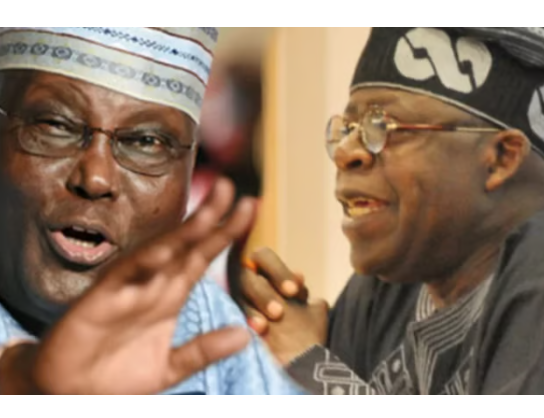
Political Loyalties in Flux: The Shift from Atiku to Tinubu's Camp
Recent developments in Nigerian politics highlight the fluidity of political allegiances, as former spokesmen for Atiku Abubakar transition to support President Bola Tinubu's re-election campaign. This shift raises questions about the nature of political loyalty and public perception in an ever-evolving political landscape.