

IMF Calls for Enhanced Safeguards in Nigeria's Banking Sector Post-Recapitalisation
The International Monetary Fund has urged Nigerian authorities to implement stronger regulatory measures in the banking sector to mitigate risks following recent recapitalisation efforts. This recommendation comes amid concerns over sovereign debt exposure and potential global financial instability triggered by market corrections.
The Abuja Times
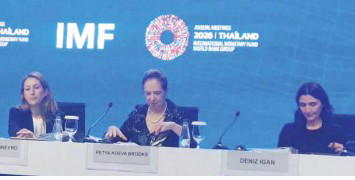
The International Monetary Fund (IMF) has issued a call for Nigerian authorities to bolster regulatory safeguards within the banking sector in the wake of recent recapitalisation efforts. During a press briefing at the World Bank/IMF annual meetings in Bangkok, Thailand, IMF Assistant Director for the Monetary and Capital Markets Department, Jason Wu, emphasized that the relationship between banks and sovereign debt must be closely monitored to enhance financial resilience.
Wu highlighted the necessity for stronger capital bases alongside adequate liquidity buffers, timely recognition of non-performing loans, and effective oversight of banks’ exposure to government debt. He stated, "What we often see in emerging economies is that, after recapitalisation, there is a need to impose appropriate regulations to prevent risks from building up in the future." This proactive approach is aimed at safeguarding the banking sector from potential financial shocks.
The IMF's recommendations come at a time when many Nigerians are grappling with the high cost of living, despite reports of economic growth. The organization’s ongoing assessments indicate that while the banking sector has made strides, the need for comprehensive regulatory frameworks remains critical to prevent vulnerabilities that could arise from increased sovereign debt exposure.
Furthermore, Wu warned that a market correction in the artificial intelligence sector could spark wider global financial instability. This warning underscores the interconnectedness of global markets and the potential ripple effects that localized financial challenges can have on broader economic landscapes.
Share this article with your network
Broadcast directly to WhatsApp communities and news circles.
The Abuja Morning Dispatch
Get the capital's most important political investigations, cabinet decisions, and economic intelligence delivered to your inbox every morning.
About The Abuja Times
Super Admin & Lead Director
Related Dispatches in Business

Minister Highlights Lessons from Nigeria's Economic Reforms for African Nations
Nigeria's Minister of Finance emphasizes the importance of economic reforms despite their immediate challenges, urging other African countries to learn from Nigeria's experiences. The minister asserts that while reforms may present short-term difficulties, they are vital for long-term economic stability and growth.

Dollar-Naira Exchange Rates Fluctuate in Nigeria's Forex Markets
As of October 14, 2026, the dollar is trading at varying rates across Nigeria's official and parallel foreign exchange markets, with significant implications for consumers and businesses alike.

Shell Divests Domestic Gas Operations in Nigeria to Vaaris Energy
Shell has confirmed the sale of its domestic gas business in Nigeria to Vaaris Energy, a move aimed at streamlining its portfolio and focusing on core strengths. This strategic transaction reflects Shell's ongoing efforts to optimize its operations in the competitive energy sector.