

Houthi Resilience: A Counter-Narrative to Saudi Aggression
The recent Houthi attacks on Saudi Arabia have sparked a wave of media coverage that may overlook the complexities of the conflict. This article seeks to challenge the prevailing narratives and highlight the motivations behind the Houthi's actions.
The Abuja Times

The ongoing conflict between the Houthis and Saudi Arabia has taken a dramatic turn since September 14, 2026, when a series of attacks by the Houthi movement targeted key Saudi infrastructure, including fuel pipelines and military installations. This escalation has dominated headlines around the world, painting a picture of Houthi aggression that many critics argue is overly simplistic and fails to consider the deeper context of the conflict.
Critics of the media coverage assert that the portrayal of the Houthis as merely aggressors does not account for the historical and socio-political factors driving their actions. The Houthis, who emerged from Yemen's Zaidi Shia community, have long been engaged in a struggle against what they perceive as external aggression and internal marginalization. Their recent military actions can be seen as a response to years of conflict and blockade imposed by Saudi-led coalitions.
In challenging the dominant narrative, it is essential to consider the broader implications of these attacks. As Owei Lakemfa points out, the narrative often overlooks the plight of the Yemeni people, who have suffered immensely due to the ongoing war. "When the weak strike back," he notes, it is not merely an act of aggression but a desperate attempt to reclaim agency in a situation where they have been systematically oppressed.
Furthermore, the response from the Saudi government and its allies has often been characterized by military might rather than diplomatic engagement. This approach has led to a cycle of violence that leaves little room for peace talks or resolution. As the international community watches closely, it becomes increasingly clear that understanding the motivations of the Houthis is crucial for any future peace efforts.
"The conflict is not just about military might but also about the voices that have been silenced for too long," Lakemfa asserts, urging a more nuanced view of the situation.
As the situation unfolds, it is imperative for media outlets and observers to adopt a more balanced perspective that considers the multiple layers of this complex conflict. Only through such an understanding can there be hope for a resolution that addresses the needs and rights of all parties involved.
Share this article with your network
Broadcast directly to WhatsApp communities and news circles.
The Abuja Morning Dispatch
Get the capital's most important political investigations, cabinet decisions, and economic intelligence delivered to your inbox every morning.
About The Abuja Times
Super Admin & Lead Director
Related Dispatches in Africa

Rising Houthi Aggression in the Red Sea Poses Security Threat to Africa
The increasing military activities of the Houthi movement in the Red Sea, coupled with their emerging alliances with al-Shabaab, threaten to escalate security challenges across Africa. Analysts warn that this growing instability could have profound implications for the continent's safety and geopolitical dynamics.

Africa's Agenda: The Need for Collective Conviction and Coordination
Despite numerous external plans for Africa's development, the continent struggles with a cohesive strategy to assert its own agenda. A call for unity and effective implementation of homegrown initiatives is crucial for Africa to thrive independently.
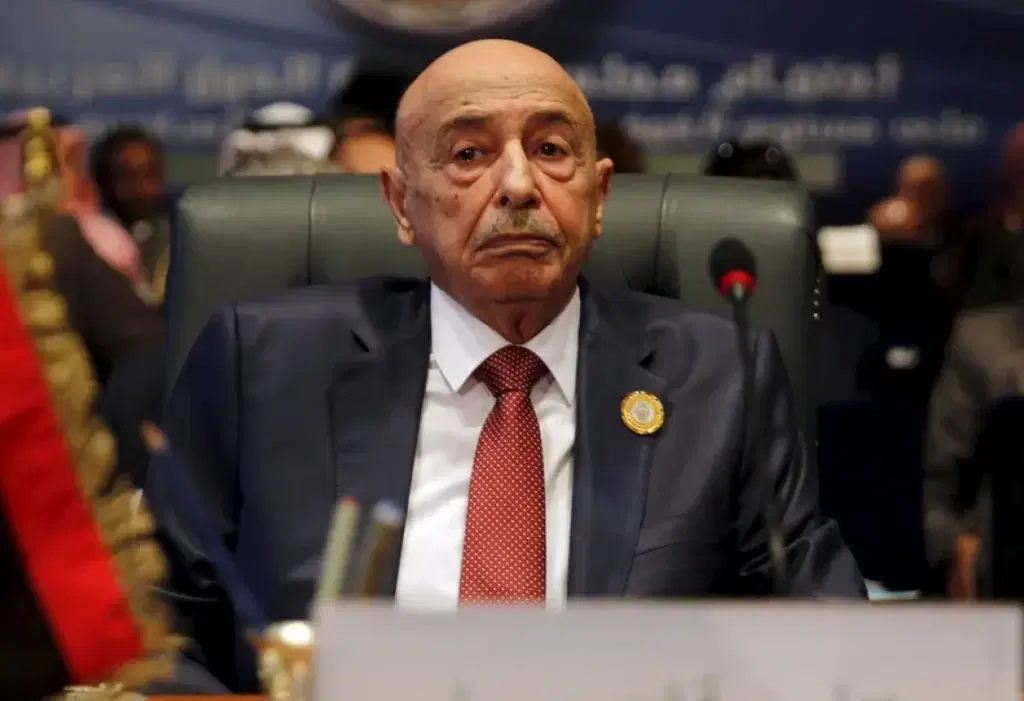
Libya's Parliament Speaker Agila Saleh Ousted After 12 Years in Office
In a significant political shift, Libya's long-serving parliament speaker Agila Saleh has been removed from his position after twelve years, amidst an evolving power dynamic in the country. His ousting reflects growing tensions within the eastern political landscape, particularly as rival factions vie for influence.