

G7 Announces Release of Up to 100 Million Barrels of Oil and Diesel from Reserves
In a strategic move to stabilize global energy markets, the G7 has pledged to release up to 100 million barrels of oil and diesel from its reserves, with a significant portion being made available within the first 20 days. This coordinated effort aims to address rising energy prices and supply challenges faced by many nations.
The Abuja Times

The Group of Seven (G7) nations has unveiled plans to release up to 100 million barrels of oil and diesel from their strategic reserves, a decision aimed at mitigating the ongoing energy crisis exacerbated by geopolitical tensions and supply chain disruptions. This initiative reflects a concerted effort by the world’s leading economies to stabilize energy markets and ensure adequate fuel supplies for both domestic and international consumers.
According to a statement from the G7, the release will include a substantial diesel component that will be frontloaded within the first 20 days of the initiative. This rapid deployment of resources is designed to quickly alleviate pressure on diesel supplies, which have seen significant price increases due to various global factors, including the conflict in Ukraine and sanctions against Russia.
Energy analysts have noted that the G7's decision to tap into its reserves is a response to soaring fuel prices that have been affecting consumers worldwide. As nations grapple with rising inflation and economic uncertainty, the availability of additional oil and diesel is expected to provide some relief, particularly in sectors heavily reliant on these fuels.
“This release underscores the G7's commitment to ensuring global energy security and addressing the needs of vulnerable economies,” said a spokesperson for the group, emphasizing the importance of collective action in times of crisis.
As the situation continues to evolve, the effectiveness of this strategy will be closely monitored by market participants and policymakers alike, with the hope that increased supply will lead to more stable pricing and availability in the coming months.
Share this article with your network
Broadcast directly to WhatsApp communities and news circles.
The Abuja Morning Dispatch
Get the capital's most important political investigations, cabinet decisions, and economic intelligence delivered to your inbox every morning.
About The Abuja Times
Super Admin & Lead Director
Related Dispatches in Business

First HoldCo Welcomes New Non-Executive Director Amidst Regulatory Compliance
First HoldCo has announced the appointment of a new non-executive director, aligning with the regulations set forth by the Nigerian Exchange Limited (NGX). This strategic move reflects the company's commitment to governance and oversight as it seeks to enhance its operational framework.

African CEOs Embrace AI Investment Amidst Readiness Challenges, KPMG Reports
A recent KPMG survey reveals that African CEOs are increasingly prioritizing investments in artificial intelligence, despite significant gaps in readiness across the continent. The survey, which included 176 CEOs from various sectors in Africa, underscores a growing commitment to harnessing AI for competitive advantage.
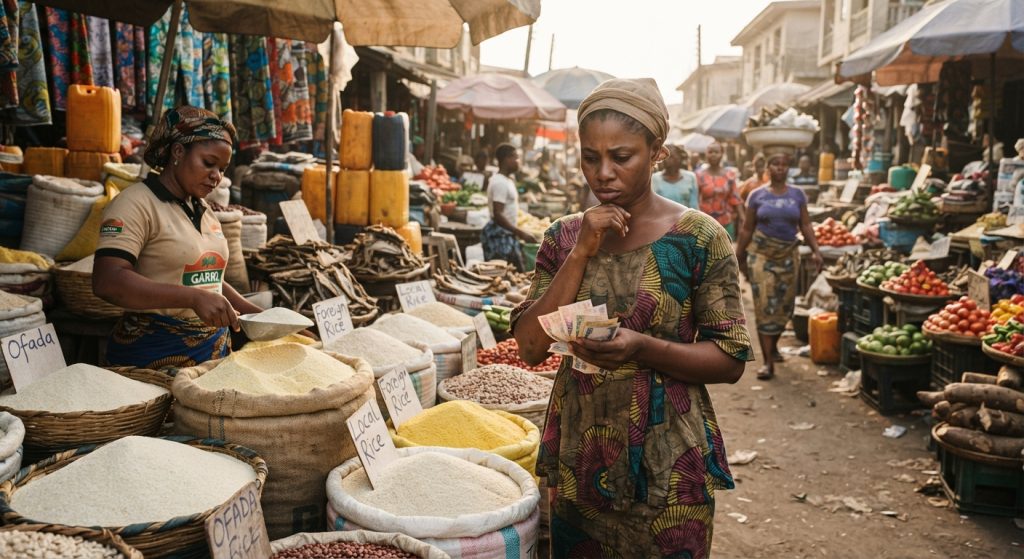
Persistent High Food Prices Challenge Government's Agricultural Interventions
Despite various interventions by the Federal Government aimed at lowering food prices amidst the harvest season, costs remain elevated due to a multitude of systemic issues. Stakeholders in the agricultural sector emphasize that without addressing logistical and infrastructural challenges, increased production will not lead to affordable food for Nigerians.