

Foreign Portfolio Investment in Nigeria Declines Sharply as Investors Withdraw N266 Billion
The Nigerian equities market has witnessed a staggering 1,073% increase in net capital outflow, totaling N266.07 billion over the past three years, as foreign investors increasingly withdraw their funds. Analysts highlight the ongoing pressure on foreign portfolio investments, raising concerns about the implications for the nation’s economy.
The Abuja Times
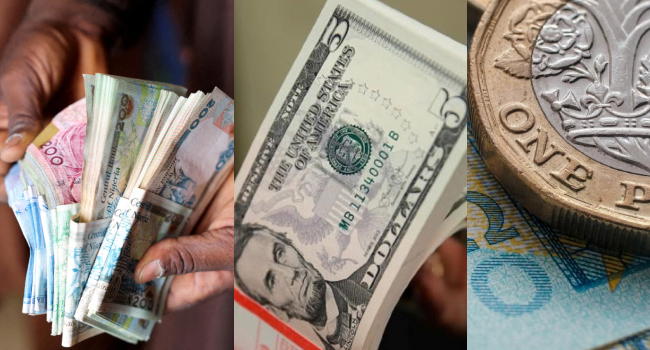
The Nigerian equities market is facing a significant downturn as foreign investors have pulled out a staggering N266.07 billion in net capital over a three-year period, marking a dramatic increase of 1,073% in outflows. This trend, as revealed by recent data from the Nigerian Exchange Limited (NGX), underscores a growing concern among analysts regarding the future of foreign portfolio investments (FPI) in the country.
In the first seven months of 2023, foreign investments recorded a net outflow of N22.68 billion, a figure that has escalated alarmingly by 2026. Analysts observed that while inflows into the NGX reached N81.47 billion during the same period, outflows were significantly higher at N104.15 billion, leading to the initial net outflow. As the years progressed, the disparity between inflows and outflows continued to widen, with net outflows reaching N64.72 billion in 2024 and N61.83 billion in 2025.
The situation took a turn for the worse in 2026, where between January and July, foreign investments saw inflows of N513.36 billion, yet outflows skyrocketed to N779.43 billion. This resulted in a staggering net outflow of N266.07 billion, indicating a worrying trend where foreign investors are consistently withdrawing more capital than they are investing.
“This persistent selling pressure from foreign investors raises critical questions about the stability of Nigeria’s financial markets and overall economic health,”
noted an analyst. The growing trend of capital withdrawal poses a significant risk, potentially impacting Nigeria's economic growth, investment climate, and the attractiveness of its equity markets to future foreign investments. With the ongoing economic challenges, it remains to be seen how Nigerian authorities will address these pressing issues to restore investor confidence.
Share this article with your network
Broadcast directly to WhatsApp communities and news circles.
The Abuja Morning Dispatch
Get the capital's most important political investigations, cabinet decisions, and economic intelligence delivered to your inbox every morning.
About The Abuja Times
Super Admin & Lead Director
Related Dispatches in Business

OPay Clarifies Misconceptions About Account Number Usage
OPay has addressed recent claims that it is replacing phone numbers with standard account numbers, clarifying that the confusion stems from its My BizPayment feature. This feature provides users with distinct account numbers specifically for business transactions, maintaining the integrity of phone number usage for personal accounts.

UACN, HBM Nigeria, and GTCO Highlighted as Top Stock Picks for Investors This Week
This week's stock market analysis identifies UACN, HBM Nigeria, and GTCO as the leading investment options, urging caution for investors. Stakeholders are advised to consult with financial advisors before making any trading decisions.

Tony Elumelu’s Africapitalism: A Catalyst for Economic Transformation in Africa
Tony Elumelu's vision of Africapitalism aims to empower entrepreneurs across Africa, fostering job creation and innovation. This approach underscores the necessity of private sector involvement in driving the continent's economic growth.