

Federal Government Unveils Comprehensive Agricultural Reforms to Enhance Food Production and Combat Inflation
The Federal Government is set to implement extensive reforms in the agricultural sector aimed at boosting food production, reducing food inflation, and improving food security. Professor Ademola Adenle detailed the initiatives, including digitalisation and better coordination among agencies, during an interview regarding the future of agriculture in Nigeria.
The Abuja Times
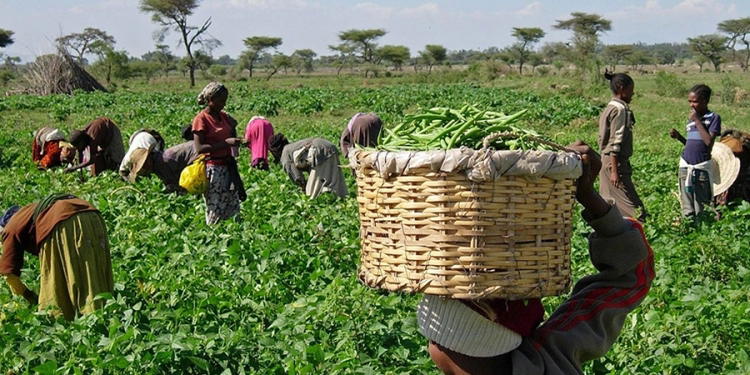
The Federal Government of Nigeria is embarking on a transformative journey within its agricultural sector, with a suite of reforms designed to enhance food production and mitigate the rising cost of food. In a recent interview, Professor Ademola Adenle, Senior Special Adviser on Agricultural Innovation to the Federal Ministry of Agriculture and Food Security, outlined the government's strategic initiatives aimed at addressing longstanding challenges in agriculture.
Central to these reforms is a commitment to digitalisation, which Adenle believes will be pivotal in enabling the government to identify genuine farmers, monitor production accurately, and facilitate a transparent distribution of agricultural inputs. Additionally, enhancing farmers' access to markets is expected to empower them economically. The introduction of the National Agricultural Growth initiative has already shown promising results, with agro-dealers now distributing inputs to verified farmers while closely monitoring their output. This initiative has reportedly led to a 30% increase in agricultural production, particularly in wheat, which has seen annual output rise from 420,000 tonnes to 480,000 tonnes.
However, Adenle cautioned that mere increases in production would not suffice to lower food prices without addressing the underlying institutional weaknesses and structural inefficiencies that have historically plagued the sector. He emphasized that past agricultural programs often concentrated exclusively on production and input distribution, neglecting critical areas such as institutional capacity, food security, and agro-industrialisation.
In light of these challenges, Adenle has called for a comprehensive overhaul of the ministry’s administrative and legal frameworks, highlighting that bureaucratic bottlenecks have significantly limited the effectiveness of government interventions. He advocates for a more streamlined approach that focuses on the holistic development of the agricultural sector, ensuring that reforms translate into tangible benefits for farmers and consumers alike.
Share this article with your network
Broadcast directly to WhatsApp communities and news circles.
The Abuja Morning Dispatch
Get the capital's most important political investigations, cabinet decisions, and economic intelligence delivered to your inbox every morning.
About The Abuja Times
Super Admin & Lead Director
Related Dispatches in Business

NCDMB and NLNG Invest $9 Million in Academic Excellence Across Nigerian Universities
The Nigerian Content Development and Monitoring Board (NCDMB) and Nigeria Liquefied Natural Gas (NLNG) have jointly committed $9 million to establish professorial research chairs at six universities, each receiving $1.5 million. This initiative aims to bolster research in key industry sectors and enhance academic contributions to Nigeria's development.

Zamfara Ranks 10th in Fiscal Viability Index, Surpassing Expectations
A recent report by BudgIT highlights Zamfara's impressive performance in fiscal viability, marking a significant achievement for the state. With a score of 74.97%, Zamfara joins the ranks of top-performing states, trailing only behind Enugu and Bayelsa.

NNPC and Oando Unite in Global Effort to Curb Gas Flaring Amid Rising Emissions
In response to increasing emissions, Nigeria's NNPC and Oando are collaborating on a global initiative aimed at eliminating gas flaring. This partnership emerges as independent reports indicate a troubling rise in gas flaring activities across the nation for the third consecutive year.