

Federal Government Takes Steps to Activate Cabotage Vessel Financing Fund for Shipowners
After two decades of stagnation, the Nigerian government is set to facilitate access to the Cabotage Vessel Financing Fund, promising to spur job creation and bolster the maritime sector. Minister Adegboyega Oyetola has urged lenders to expedite the processing of applications, with the goal of supporting local shipowners in acquiring modern vessels.
The Abuja Times
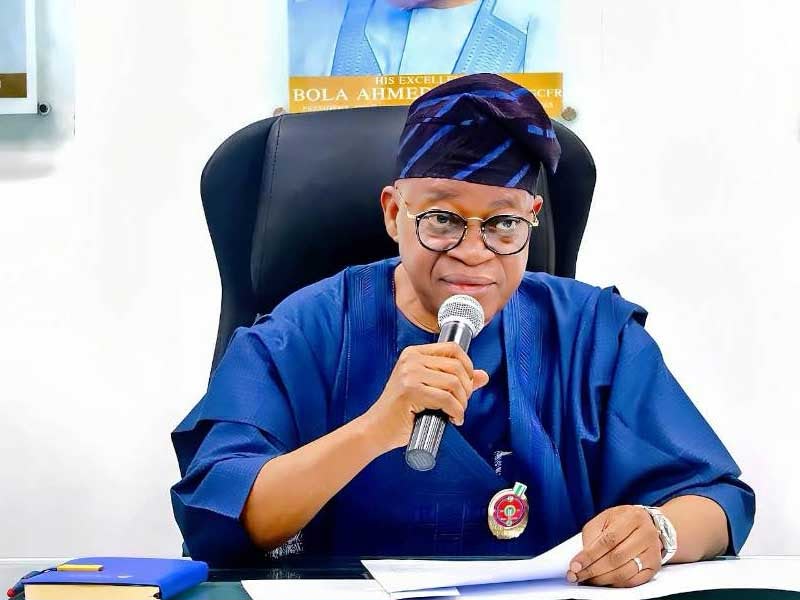
In a significant move after 20 years of delays, the Federal Government of Nigeria has initiated steps to unlock the Cabotage Vessel Financing Fund (CVFF) for domestic shipowners. Minister of Marine and Blue Economy, Adegboyega Oyetola, has directed the Nigerian Maritime Administration and Safety Agency (NIMASA) to collaborate with the 12 approved Primary Lending Institutions (PLIs) to hasten the processing of applications for this critical fund.
Currently, 92 applications have been received under the CVFF framework, with 20 already forwarded to lenders for consideration. One application has also been reviewed and submitted for approval, signaling a renewed commitment to facilitating access to this vital financing mechanism that has long been hindered by bureaucratic delays. Oyetola emphasized the need for swift action to ensure that the fund becomes a functional resource for Nigerian maritime operators.
The CVFF was established to provide low-interest, long-term financing aimed at enabling Nigerian shipowners to acquire modern vessels and expand their operational fleets. As the fund has accumulated over two decades, its activation is anticipated to create approximately 30,000 jobs within the maritime sector, significantly enhancing indigenous participation and investment.
“The Federal Government is determined to make the CVFF a functional financing instrument for Nigerian maritime operators,” Oyetola stated, highlighting the government's commitment to revitalizing the sector.
This initiative reflects a broader strategy to bolster Nigeria's maritime industry, which is seen as a critical component of the nation's economic growth and development. By improving access to financing, the government aims to empower local shipowners and foster a more competitive maritime environment.
Share this article with your network
Broadcast directly to WhatsApp communities and news circles.
The Abuja Morning Dispatch
Get the capital's most important political investigations, cabinet decisions, and economic intelligence delivered to your inbox every morning.
About The Abuja Times
Super Admin & Lead Director
Related Dispatches in Business

Nigeria's Mineral Wealth: A Call to Transform Resources into Jobs
Wunti emphasizes the necessity for Nigeria to leverage its 44 mineral resources to foster job creation rather than perpetuate the cycle of poverty through raw material exports. He cautions against repeating the mistakes of the crude oil model, which has led to economic inefficiencies and dependency.

Rethinking Nigeria's Artisanal Mining Policies in the Face of Global Mineral Demand
As the global race for critical minerals intensifies, Nigeria is urged to shift its approach towards artisanal miners, moving away from punitive measures and towards formalization and support. The call emphasizes the need for equitable licensing and safety training to empower small-scale miners in the burgeoning mineral sector.

African IP Summit Set to Elevate Intellectual Property as a Catalyst for Trade under AfCFTA
The upcoming African IP Summit aims to explore the practical applications of the AfCFTA's intellectual property framework, positioning it as a pivotal tool for fostering innovation and commerce across the continent. Stakeholders will gather to discuss strategies that empower businesses and creators in leveraging IP for economic growth.