

Enhancing Safety in Nigeria's Liquefied Petroleum Gas Operations
As Nigeria seeks to increase the use of liquefied petroleum gas (LPG), experts stress the need for stringent safety measures to prevent potential disasters. The Nigerian Association of Liquefied Petroleum Gas Marketers emphasizes that operational excellence and compliance are crucial for a sustainable LPG industry.
The Abuja Times
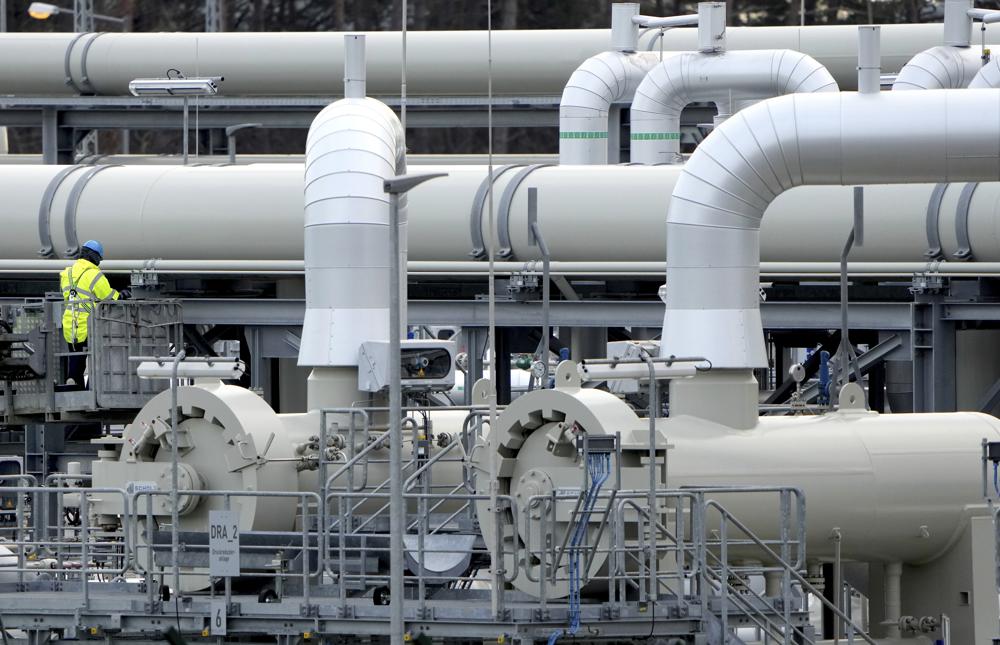
Nigeria's push to expand the adoption of liquefied petroleum gas (LPG) comes with a critical reminder from industry stakeholders: safety must be the cornerstone of this ambition. During a recent webinar organized by the Nigerian Association of Liquefied Petroleum Gas Marketers (NALPGAM), experts cautioned that simply increasing consumption of LPG cannot ensure the long-term viability of the industry without robust safety protocols in place.
With LPG recognized as a cleaner alternative to traditional fuels such as firewood and charcoal, the potential benefits are significant. However, the dangers associated with its flammability are equally pronounced. NALPGAM highlighted that unsafe practices, including leaking gas, overfilled cylinders, defective valves, and inadequate storage, can transform residential and commercial premises into potential disaster zones. Furthermore, illegal activities such as unauthorized propane blending exacerbate these risks, jeopardizing not only the operators but also consumers and surrounding communities.
“Every facility must be safe, every operator competent, every process compliant, and every customer protected,”
the association stated, underscoring the urgency of adopting its proposed Standard of Operational Excellence. This framework aims to establish safe facilities, ensure trained personnel, enforce compliant processes, and prioritize consumer protection. While the declaration of such standards is a positive step, the real challenge lies in their enforcement.
To translate these aspirations into actionable measures, NALPGAM is tasked with holding its members accountable. This includes ensuring that operators maintain equipment, verify cylinder integrity, and implement fire and gas-detection systems. Meanwhile, the Nigerian Midstream and Downstream Petroleum Regulatory Authority (NMDPRA) must enhance its oversight, conducting regular inspections, investigating violations, and imposing necessary sanctions to uphold safety standards across the industry.
Share this article with your network
Broadcast directly to WhatsApp communities and news circles.
The Abuja Morning Dispatch
Get the capital's most important political investigations, cabinet decisions, and economic intelligence delivered to your inbox every morning.
About The Abuja Times
Super Admin & Lead Director
Related Dispatches in Business

Governor Mbah Advocates for Tinubu’s Economic Reforms as Lifeline for Nigeria
Governor Mbah asserts that President Tinubu’s decisive actions, including the removal of fuel subsidies and the floating of the naira, were crucial in preventing an imminent economic collapse in Nigeria. He highlights that these reforms, long overdue, were necessary to address the country's financial challenges and restore stability.

Political Violence Threatens Investor Confidence Ahead of 2027 Elections, Warns CPPE
The Centre for the Promotion of Private Enterprise (CPPE) has expressed grave concerns that political violence in Nigeria could undermine investor confidence as the country approaches the 2027 elections. The group emphasizes that electoral ambitions should never compromise the safety of lives, property, and investments.

AMDC Urges African Nations to Rethink Mineral Wealth Strategies
Tunde Muritala Arisekola of the African Minerals Development Centre emphasizes that mere mineral endowment is insufficient for economic prosperity. His remarks to African Union member states highlight the need for robust policies to harness mineral resources effectively.