

Empowering Voters: Essential Questions for the Upcoming Campaigns
As elections approach, voters are encouraged to engage critically with candidates, moving beyond slogans and social media narratives. A comprehensive checklist of pertinent questions can empower citizens to make informed decisions at the polls.
The Abuja Times
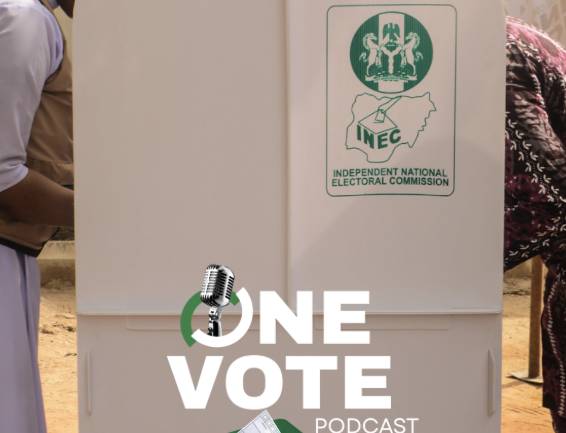
With election campaigns in full swing, it is imperative for voters to leverage this opportunity to scrutinize candidates and their proposals. Campaigns are designed not just to showcase candidates but also to provide voters with a platform to interrogate their intentions and qualifications. However, there exists a persistent risk that these campaigns can devolve into mere popularity contests, dominated by catchy slogans and social media skirmishes, rather than substantive discussions on policies.
To navigate this complex landscape, voters need a structured approach to evaluating candidates. This includes formulating specific questions that delve into candidates' plans, past performances, and how their proposals align with the electorate's needs. By asking the right questions, voters can hold candidates accountable and demand clarity on issues that matter most to them.
“Campaigns should not just be about promises; they must also be a platform for accountability,” said a political analyst. “Voters should feel empowered to interrogate candidates on their commitments.”
Moreover, as the political climate becomes increasingly polarized, it is essential for voters to distinguish between genuine political discourse and superficial campaigning tactics. Engaging in meaningful dialogue with candidates can illuminate their true intentions and help voters make choices that reflect their values and aspirations.
Ultimately, a well-informed electorate is the cornerstone of a functioning democracy. By proactively seeking answers to critical questions, voters can ensure that their votes contribute to the selection of leaders who are truly representative of their interests and who will strive to fulfill their promises once elected.
Share this article with your network
Broadcast directly to WhatsApp communities and news circles.
The Abuja Morning Dispatch
Get the capital's most important political investigations, cabinet decisions, and economic intelligence delivered to your inbox every morning.
About The Abuja Times
Super Admin & Lead Director
Related Dispatches in News

Ebola Outbreak in DR Congo Declared Largest in Nation's History by WHO
The World Health Organization has confirmed that the ongoing Ebola outbreak in the Democratic Republic of Congo, caused by the Bundibugyo virus, has become the largest recorded in the country. Since its declaration on May 15, 2026, cases have emerged in five countries, including Nigeria.

Federal Government Terminates University Affiliations with NTI Across Nigeria
In a significant policy shift, the Federal Ministry of Education has announced the discontinuation of all university affiliations with the National Teachers' Institute (NTI), affecting admissions for various degree programs nationwide. This decision halts the processing of applications for full-time, part-time, and Distance Learning Studies for National Certificate in Education (NCE) and Bachelor’s degrees.

Imo State Challenges NJC's Directive on Acting Chief Judge Appointment
The Imo State Government has voiced strong opposition to the National Judicial Council's (NJC) directive to shortlist the acting chief judge for a substantive position, raising concerns about potential delays in judicial leadership. This criticism signals a possible repeat of previous stalemates that left the state's judiciary without effective leadership for extended periods.