

Diocese Considers Exit from Church of Nigeria Following Archbishop's Suspension
In a significant development, a diocese within the Church of Nigeria has threatened to withdraw from the national body after its archbishop was suspended for six months amid serious allegations. The primate's decision stems from claims of misconduct, including the controversial sale of church land for over N2 billion.
The Abuja Times

The ongoing turmoil within the Church of Nigeria has escalated as a diocese has signaled its intent to sever ties with the national church following the suspension of its archbishop. This suspension, issued by the primate of the church, is set for a duration of six months and is rooted in a series of grave allegations against the archbishop, including the unauthorized sale of church land valued at approximately N2 billion.
The decision to suspend the archbishop has not only raised eyebrows within the ecclesiastical community but has also prompted a strong reaction from members of the affected diocese. Many feel that the suspension reflects poorly on the governance and accountability within the church hierarchy, leading to calls for a reevaluation of leadership practices and decision-making processes.
In a statement released by the diocese, church officials expressed their disappointment over the primate's unilateral decision and emphasized their commitment to upholding the integrity of church operations. "We cannot support a system that lacks transparency and accountability, and we are prepared to take drastic measures, including a potential exit from the Church of Nigeria, if our concerns are not addressed," a church spokesperson noted.
"This situation is not just about one individual; it touches on the very fabric of our governance and our mission as a church. We need to ensure that our leaders are held to the highest standards of integrity," the spokesperson added.
The unfolding situation has drawn attention not only from members of the Church of Nigeria but also from broader religious and social communities, as it highlights ongoing challenges related to governance, financial management, and ethical conduct within religious institutions in Nigeria. As discussions continue, the outcome of this controversy may have lasting implications for the church's structure and its relationship with its congregants.
Share this article with your network
Broadcast directly to WhatsApp communities and news circles.
The Abuja Morning Dispatch
Get the capital's most important political investigations, cabinet decisions, and economic intelligence delivered to your inbox every morning.
About The Abuja Times
Super Admin & Lead Director
Related Dispatches in News
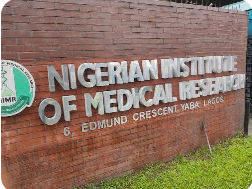
NIMR Responds to ASURI's Claims Amid Tenure Policy Controversy
The Nigerian Institute of Medical Research (NIMR) has rebutted allegations of victimization by the Academic Staff Union of Research Institutions (ASURI) regarding the implementation of the Federal Government's tenure policy for directors. NIMR insists it is merely executing a government directive and denies any internal conflicts or personal vendettas.

Governor Mbah Appoints 68 Development Centre Administrators to Enhance Grassroots Governance
In a strategic move to bolster grassroots governance, Governor Mbah has inaugurated 68 administrators for development centres across the state, emphasizing the importance of effective communication of government initiatives. The new administrators are tasked with ensuring that government policies and projects reach more communities, fostering greater public engagement.

Nigeria Among Nine African Nations Facing Yellow Fever Outbreak with 67 Confirmed Cases
The World Health Organization reports a worrying increase in yellow fever cases across Nigeria and eight other African countries, highlighting the urgent need for vaccination and public health measures. Nigeria recorded four confirmed cases, including one fatality, further stressing the importance of vigilance against this preventable disease.