

Democracy After 27 Years: Cardinal Onaiyekan Questions Its Impact on Ordinary Nigerians
At the All Nigeria Editors Conference 2026, Cardinal John Onaiyekan reflects on the state of democracy in Nigeria, emphasizing that mere electoral processes do not guarantee the people's welfare. He argues that the essence of democracy lies in governance that prioritizes the needs and rights of ordinary citizens.
The Abuja Times
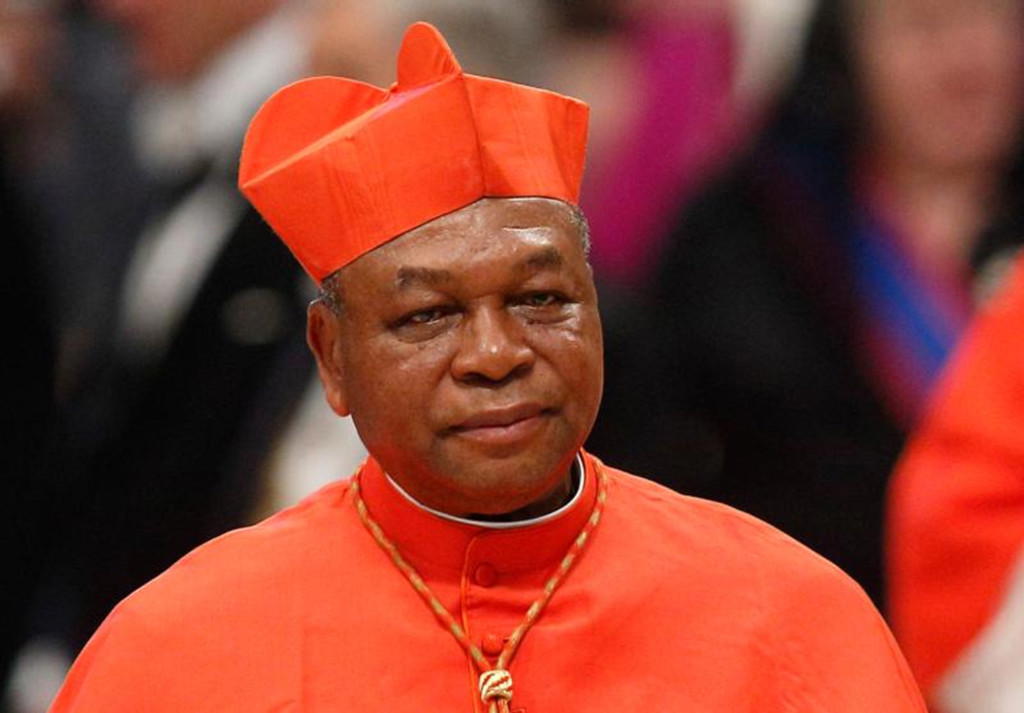
Speaking at the All Nigeria Editors Conference (ANEC 2026) in Enugu, Cardinal John Onaiyekan, the Archbishop Emeritus of Abuja, shared his insightful reflections on Nigeria's democratic journey over the past 27 years. Despite the nation enjoying uninterrupted civilian rule since 1999, Onaiyekan raised a poignant question: has democracy genuinely improved the lives of ordinary Nigerians? His remarks come as a sobering reminder that the essence of democracy transcends the mere act of voting.
Onaiyekan, now 82 years old, has witnessed Nigeria's tumultuous history, from colonialism to independence, and through various military and civilian governments. He expressed concern that while elections have been consistently held, the true measure of democracy lies in whether it serves the people. "Democracy must be governance for the good of the people," he stated, emphasizing that without this focus, citizens risk becoming mere pawns in a political game.
As he reflected on the hopes that have frequently eluded the nation, Onaiyekan called for a reevaluation of what democracy means for the Nigerian populace. He observed that although the country has successfully transitioned through numerous elections, the lingering question remains: how effectively do these processes address the needs of the citizens? His call to action resonates with the ongoing discourse on governance and accountability in Nigeria.
Furthermore, Onaiyekan highlighted the importance of ensuring that governance is inclusive and responsive to the people's needs. He underscored that the quality of democracy is ultimately judged by its ability to uplift and empower ordinary Nigerians, rather than merely the frequency of elections or the longevity of leadership. His insights serve as a crucial reminder for leaders and citizens alike to strive towards a democracy that truly benefits all.
Share this article with your network
Broadcast directly to WhatsApp communities and news circles.
The Abuja Morning Dispatch
Get the capital's most important political investigations, cabinet decisions, and economic intelligence delivered to your inbox every morning.
About The Abuja Times
Super Admin & Lead Director
Related Dispatches in News

Keyamo Critiques Atiku's Role in Nigeria Airways Liquidation Amidst Fani-Kayode's Dissent
Minister Festus Keyamo has accused former Vice President Atiku Abubakar of hypocrisy regarding the liquidation of Nigeria Airways, pointing to unresolved entitlements for former staff. This assertion has sparked a disagreement with fellow politician Femi Fani-Kayode, highlighting tensions within Nigerian political discourse.

Atiku Abubakar Unveils 'Ask AA' Platform Amidst National Dialogue on Insecurity and Economy
Former Vice President Atiku Abubakar has launched the 'Ask AA' citizen-engagement platform, which received over 1,000 inquiries within the first half-hour. During the launch, he and Rotimi Amaechi addressed pressing issues related to insecurity and economic challenges facing Nigeria.

Senate Approves Bill to Support Akwa Ibom's Federal University of Technology
The Nigerian Senate has officially passed a bill supporting the Federal University of Technology in Akwa Ibom, marking a significant milestone for the institution established four years ago. This legislative move comes just a day after the university announced its approval for 12 new degree programmes, enhancing its academic offerings.