

Challenges Mount for HIV Patients in Rivers and Akwa Ibom Amid Declining Donor Support
A recent investigation reveals that dwindling donor contributions and ineffective government policies are severely impacting the care of HIV patients in Rivers and Akwa Ibom states. This critical situation raises urgent accountability questions regarding the protection and support of people living with HIV in the region.
The Abuja Times

In the concluding part of a three-part series by PREMIUM TIMES, the plight of HIV patients in Rivers and Akwa Ibom states has come under scrutiny as donor funding continues to decline. With the reduction in financial support from international donors, healthcare services crucial for managing HIV/AIDS are increasingly at risk, leading to heightened challenges for those affected. The report highlights that the commitment to political leadership and funding for HIV programs remains weakly enforced, exacerbating the vulnerability of patients.
Despite laws intended to safeguard the rights and health of people living with HIV, the implementation of these regulations has been lackluster. Activists and healthcare professionals have voiced their concerns, stating that without a robust framework for accountability, the situation will only worsen. “There is a dire need for our governments to take decisive action and ensure that laws aimed at protecting the health of our citizens are effectively put into practice,” said a local health advocate.
The challenges faced by HIV patients extend beyond mere funding cuts; the social stigma surrounding the disease further complicates their access to care. Many individuals are reluctant to seek help due to fear of discrimination, which is often exacerbated by inadequate public health messaging and support systems. As the healthcare landscape shifts, it becomes increasingly essential for state governments to prioritize HIV care and address the underlying issues contributing to the crisis.
The findings of this series underscore the urgent need for policy reform and dedicated efforts to restore donor confidence in the region’s healthcare system. Only through collaborative efforts can Rivers and Akwa Ibom states hope to effectively combat the rising tide of HIV and ensure a healthier future for their populations.
Share this article with your network
Broadcast directly to WhatsApp communities and news circles.
The Abuja Morning Dispatch
Get the capital's most important political investigations, cabinet decisions, and economic intelligence delivered to your inbox every morning.
About The Abuja Times
Super Admin & Lead Director
Related Dispatches in Science & Tech
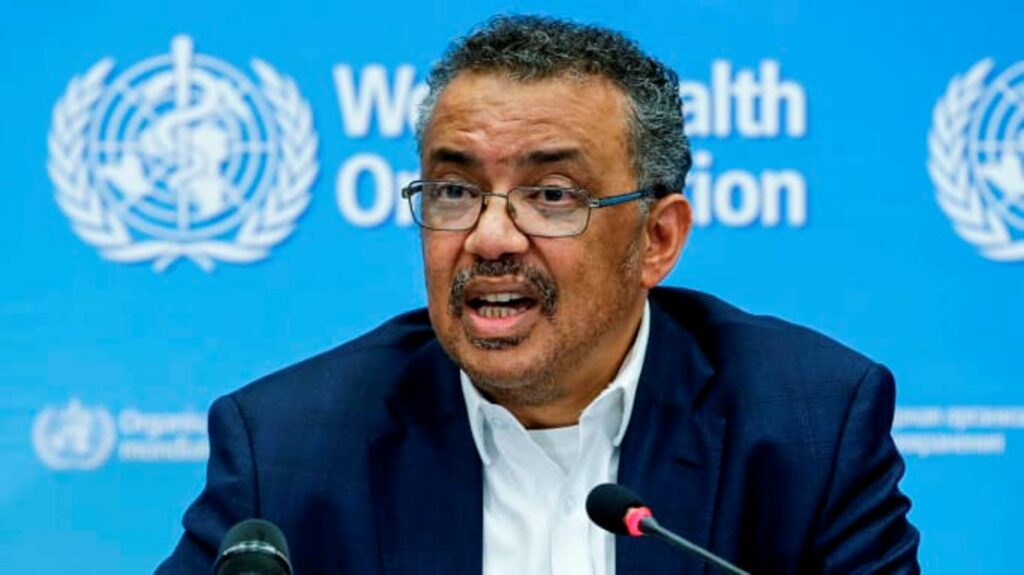
WHO Warns: Future Pandemics Inevitable, Urges Global Preparedness
Dr. Tedros Ghebreyesus, Director-General of the WHO, emphasizes that the next pandemic is not a question of 'if,' but 'when,' urging nations to learn from the COVID-19 crisis. He highlights recent outbreaks as reminders of the urgent need for enhanced global health security and cooperation.

Study Reveals Impact of Nighttime Light Exposure on Heart Health
A new study indicates that excessive light exposure at night may lead to changes in heart muscle thickness and stiffness, raising concerns about cardiovascular health. The research, involving over 11,000 participants, emphasizes the importance of a dark sleeping environment for better heart function.

Breakthrough Drug Offers Hope Against Cancer Resistance
Researchers at Baylor College of Medicine have developed an experimental drug, CS18, that shows promise in overcoming drug resistance in cancer treatment, potentially restoring the effectiveness of existing therapies. The findings, published in Science Advances, highlight a significant advancement in the ongoing battle against one of cancer's most daunting challenges.