

Call for Comprehensive Trauma Care in Nigeria: Experts Emphasize Multidisciplinary Approach
Orthopaedic specialists urge a fundamental shift in Nigeria's trauma care, advocating for a team-based approach to effectively treat patients with musculoskeletal injuries. Their call came during the 47th Annual Scientific Conference of the National Orthopaedic Hospital in Lagos, highlighting the need for collaboration among healthcare professionals.
The Abuja Times
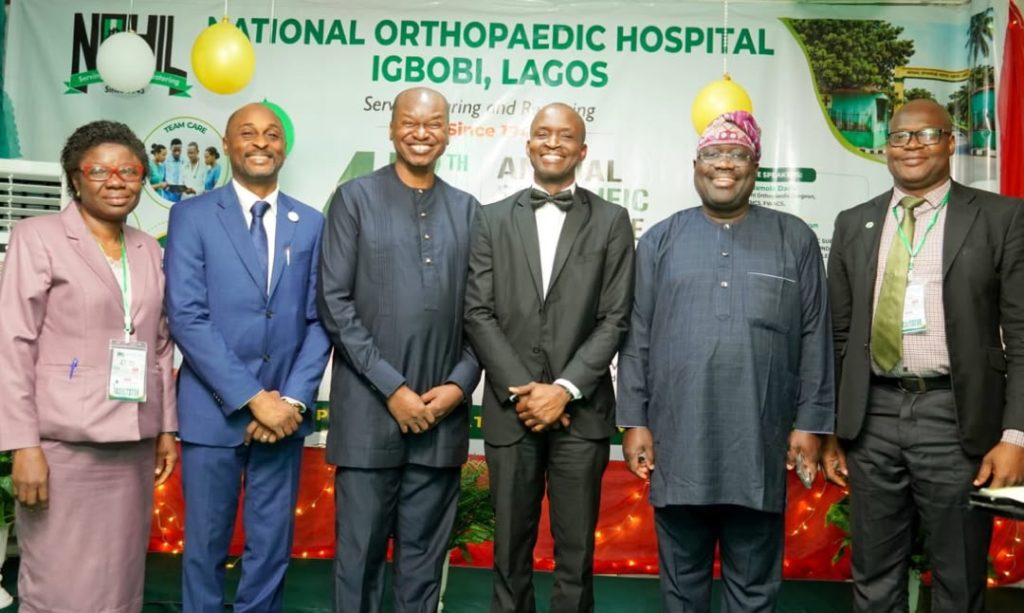
Experts in orthopaedic and trauma care are underscoring the necessity for a comprehensive and coordinated approach to treating traumatic and musculoskeletal injuries in Nigeria. They assert that successful surgical interventions alone are insufficient for achieving optimal recovery, emphasizing the importance of a multidisciplinary team that encompasses a range of healthcare professionals. This perspective was shared during the 47th Annual Scientific Conference of the National Orthopaedic Hospital, Igbobi, Lagos, which focused on the theme of "Multidisciplinary Team Care in the Management of Musculoskeletal Diseases," with a particular emphasis on burn injuries.
Dr. F.C. Nwachukwu, representing the Medical Director of NOHIL, pointed out the evolving nature of trauma care, stating, "The era when one doctor could independently manage an injury from beginning to end has changed." He highlighted that contemporary trauma management involves a collaborative effort where surgeons, nurses, anaesthetists, physiotherapists, occupational therapists, nutritionists, psychologists, and pharmacists work together from diagnosis through treatment and rehabilitation to reintegration into society.
According to the experts, the complexities associated with injuries, even those that may appear simple, necessitate a team-based approach to enhance patient outcomes. They argue that the integration of different specialties not only improves the quality of care but also addresses the psychological and social dimensions of recovery, which are often overlooked in traditional medical models.
This call for a shift in Nigeria's trauma care paradigm is seen as crucial, especially in light of the increasing burden of traumatic injuries and the need for effective rehabilitation strategies. The emphasis on teamwork and comprehensive care is expected to lead to more successful recovery trajectories for patients, ultimately improving their quality of life.
Share this article with your network
Broadcast directly to WhatsApp communities and news circles.
The Abuja Morning Dispatch
Get the capital's most important political investigations, cabinet decisions, and economic intelligence delivered to your inbox every morning.
About The Abuja Times
Super Admin & Lead Director
Related Dispatches in News

Federal Government Terminates University Affiliations with NTI Across Nigeria
In a significant policy shift, the Federal Ministry of Education has announced the discontinuation of all university affiliations with the National Teachers' Institute (NTI), affecting admissions for various degree programs nationwide. This decision halts the processing of applications for full-time, part-time, and Distance Learning Studies for National Certificate in Education (NCE) and Bachelor’s degrees.

Imo State Challenges NJC's Directive on Acting Chief Judge Appointment
The Imo State Government has voiced strong opposition to the National Judicial Council's (NJC) directive to shortlist the acting chief judge for a substantive position, raising concerns about potential delays in judicial leadership. This criticism signals a possible repeat of previous stalemates that left the state's judiciary without effective leadership for extended periods.

Amaechi Proposes Venue for Atiku's Campaign Rally Amidst Political Tensions in Rivers State
Rotimi Amaechi has called on Nyesom Wike to facilitate a venue for Atiku Abubakar's presidential campaign rally, as rival factions intensify their political maneuvers in Rivers State. The challenge underscores the growing political rivalry in the state as groups rally in support of President Bola Tinubu.