

BRICS Leaders Endorse Key Resolutions on Trade and Multilateral Cooperation
During the inaugural day of the BRICS leaders' summit in New Delhi, a comprehensive 45-page declaration was adopted, emphasizing conflict resolution, multilateralism, and trade tariffs. The resolutions signal a united front among member nations to enhance global cooperation and economic stability.
The Abuja Times

The annual summit of BRICS leaders commenced in New Delhi, where pivotal resolutions aimed at fostering global collaboration were unanimously adopted. The 45-page declaration encompasses a range of topics, including conflict resolution, multilateralism, and trade tariffs, marking a significant step towards enhancing diplomatic and economic ties among the member countries: Brazil, Russia, India, China, and South Africa.
At the heart of the discussions was the necessity for a robust multilateral framework that can effectively address the challenges faced by the global community. The declaration reiterates the commitment of BRICS nations to work together in resolving conflicts through dialogue and cooperation, reflecting a strong desire to promote peace and stability in various regions.
Moreover, the resolutions touch upon the need to reform global trade practices, particularly concerning tariff structures that can hinder fair competition. By advocating for equitable trade policies, BRICS aims to create a more inclusive economic environment that benefits all member states and ensures sustainable growth.
“Our collective efforts are essential to navigate the complexities of today’s geopolitical landscape,” stated a senior official who attended the summit. “This declaration is not just a document; it is a roadmap for the future of BRICS and our commitment to fostering unity among diverse nations.”
As the summit progresses, leaders are expected to delve deeper into specific initiatives that can bolster cooperation in various sectors, including technology, energy, and security. The adoption of these resolutions signifies a renewed commitment by BRICS members to tackle pressing global issues through collaborative efforts.
Share this article with your network
Broadcast directly to WhatsApp communities and news circles.
The Abuja Morning Dispatch
Get the capital's most important political investigations, cabinet decisions, and economic intelligence delivered to your inbox every morning.
About The Abuja Times
Super Admin & Lead Director
Related Dispatches in Africa

Uganda Implements Travel Restrictions Amid Ebola Concerns from DRC
In a proactive measure to curb the spread of Ebola, Uganda has announced new travel restrictions for individuals arriving from the Democratic Republic of the Congo (DRC), following a recent outbreak linked to the Bundibugyo virus. This decision underscores Uganda's ongoing vigilance and preparedness in the face of infectious disease threats in the region.

Burkina Faso, Niger, and Mali Reengage with ECOWAS Amid Withdrawal Talks
Burkina Faso, Niger, and Mali have resumed diplomatic discussions with the Economic Community of West African States (ECOWAS) following their recent withdrawal from the regional bloc. The talks, led by Burkina Faso’s Foreign Minister Karamoko Traore and Senegal’s Foreign Minister Cheikh Niang, aim to address ongoing tensions and foster cooperation in the region.
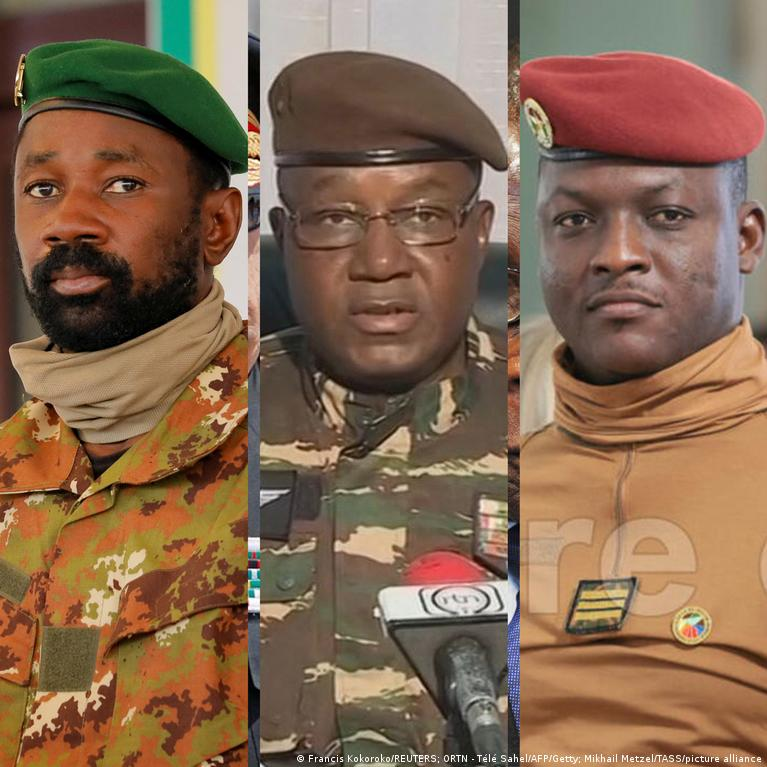
Sahel States Reinitiate Dialogue with ECOWAS After 18-Month Withdrawal
Niger, Mali, and Burkina Faso have resumed dialogue with the Economic Community of West African States (ECOWAS) after leaving the bloc over 18 months ago. The two sides are working towards establishing a framework cooperation agreement, emphasizing mutual respect and sovereignty.