

Atiku Challenges Tinubu to Justify Nigeria's ₦166.79 Trillion Debt Amid Rising Revenues
Former Vice President Atiku Abubakar has called on President Bola Tinubu to clarify the surge in Nigeria's public debt, which has escalated to ₦166.79 trillion despite increased government revenues. He argues that Nigerians deserve transparency regarding the economic reforms that have yet to yield tangible benefits for the populace.
The Abuja Times
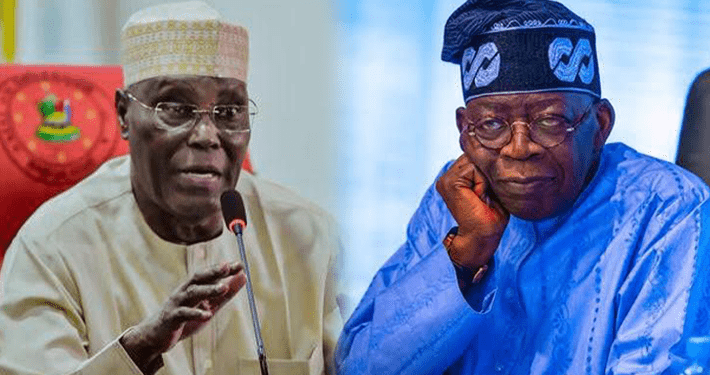
Former Vice President Atiku Abubakar has publicly challenged President Bola Tinubu to provide explanations for the alarming increase in Nigeria's public debt, which recently reached ₦166.79 trillion. This figure marks a substantial rise from ₦49.85 trillion recorded in March 2023, raising serious questions about the impact of the government's economic policies amidst claims of rising revenues.
In a statement issued by Phrank Shaibu, the Director of Strategic Communications for the ADC Presidential Campaign Council, Atiku emphasized that the Nigerian populace is entitled to understand why the government continues to borrow extensively. He noted that despite the reported increases in government revenues, citizens have not seen any corresponding improvements in their living conditions, which have been adversely affected by rising costs of food, transportation, fuel, and electricity.
“A government that says more money is coming in must explain why it keeps borrowing and why the people paying for its policies cannot see the promised gains,” Atiku stated.
Atiku's concerns extend beyond mere numbers; he urged President Tinubu to provide a comprehensive reconciliation of the national debt. This includes detailing old obligations that have been newly accounted for, the impact of exchange rates on foreign debt, and any new loans contracted since 2023, along with repayments and outstanding balances. His call for transparency reflects a growing frustration among Nigerians who are struggling with increasing living costs.
Furthermore, Atiku pointed out the widening gap between official economic indicators and the harsh realities faced by the average citizen. He argued that while government revenues and other macroeconomic indicators may show improvement, they have not translated into better living conditions for many Nigerians. “The true test of economic policy is whether Nigerians can afford their basic needs,” he concluded.
Share this article with your network
Broadcast directly to WhatsApp communities and news circles.
The Abuja Morning Dispatch
Get the capital's most important political investigations, cabinet decisions, and economic intelligence delivered to your inbox every morning.
About The Abuja Times
Super Admin & Lead Director
Related Dispatches in News
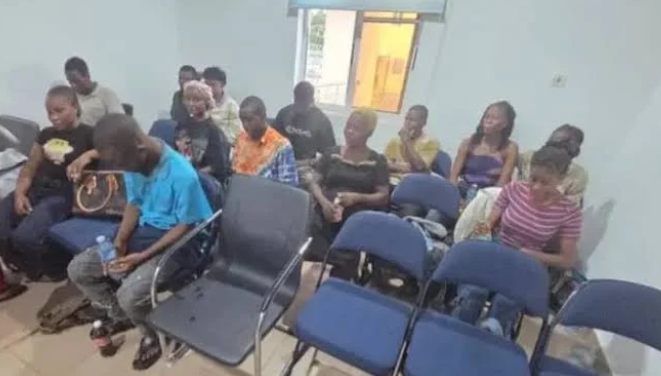
Joint Security Forces Arrest Five Suspects in NYSC Members Kidnapping Case
In a significant operation, security agencies have arrested five individuals linked to the abduction of 20 National Youth Service Corps members in Imo State. The arrests come after a coordinated effort by the DSS, military, and police, aimed at dismantling the criminal network responsible for the kidnapping.
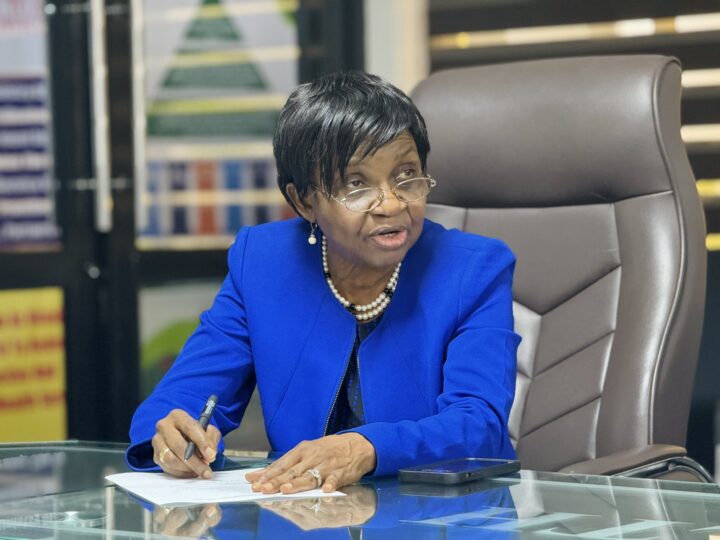
NAFDAC Clarifies Circumstances Surrounding Enugu Corps Member's Death
The National Agency for Food and Drug Administration and Control (NAFDAC) has dismissed claims that the death of a Corps member in Enugu was due to substandard medications. The agency's investigation revealed that the deceased suffered from severe malaria and a pre-existing peptic ulcer, contradicting earlier allegations.
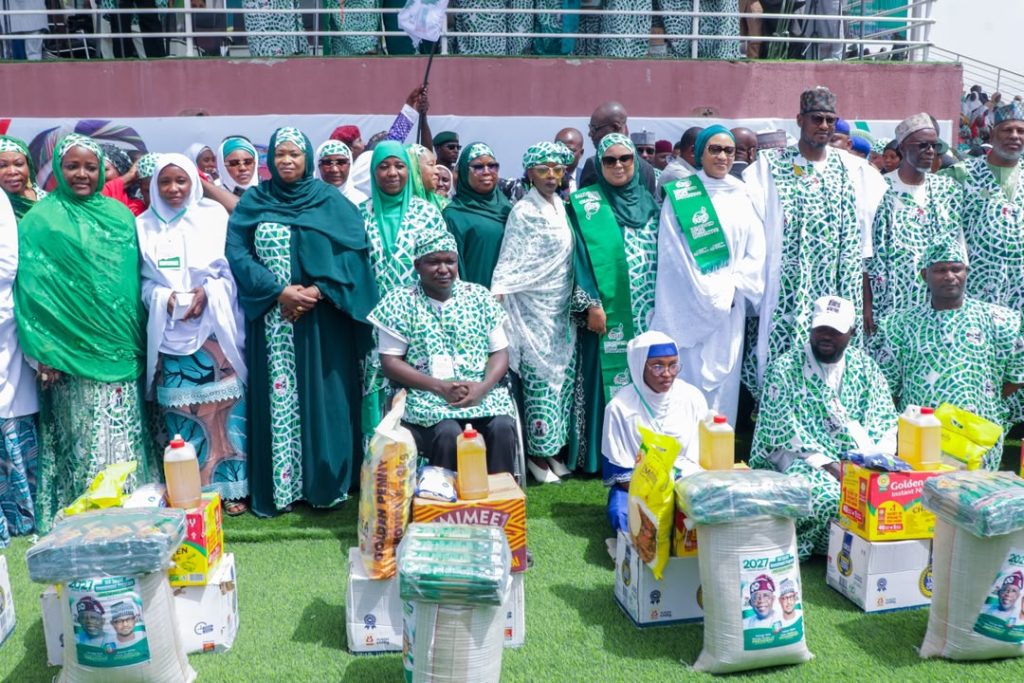
First Lady Advocates for Community Food Banks as RHI Expands Food Outreach to Katsina
Senator Oluremi Tinubu has called on state governors to establish community food banks in a bid to combat malnutrition and enhance food security across Nigeria. This appeal coincided with the distribution of food items to vulnerable residents in Katsina State, marking the 30th beneficiary of the Renewed Hope Initiative's outreach scheme.