

Atiku Abubakar's 2027 Campaign: A Tale of Political Alliances and Ironies
The selection of key figures for Atiku Abubakar's 2027 presidential campaign highlights the complex web of Nigeria's political landscape, showcasing former allies and adversaries now united against Bola Tinubu. As Kashim Ibrahim-Imam and Nasir El-Rufai step into pivotal roles, the dynamics of political loyalty and rivalry come to the forefront.
The Abuja Times
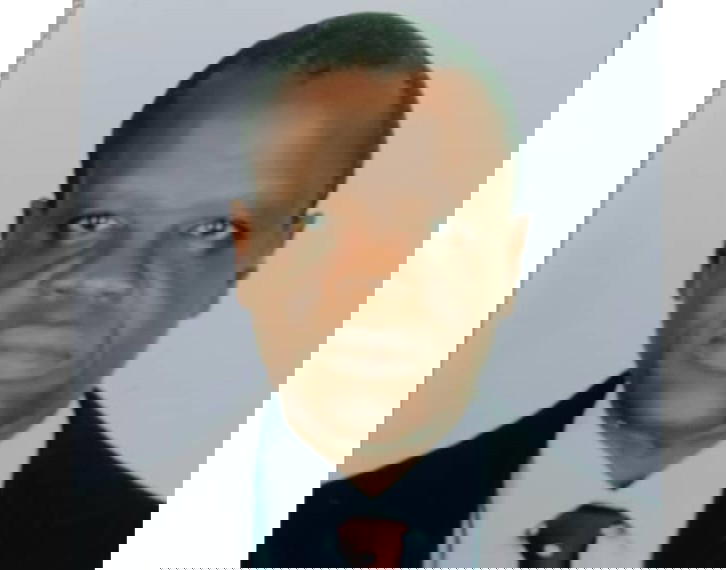
Atiku Abubakar’s recent appointments for his 2027 presidential campaign council reveal a profound narrative about the shifting alliances within Nigeria’s political sphere. Notably, the council is headed by Kashim Ibrahim-Imam, a figure previously associated with former President Olusegun Obasanjo, and whose deputy, Nasir El-Rufai, has a contentious history with Atiku stemming from their past allegiances. This development underscores a notable irony: individuals who once traversed the political corridors supporting Obasanjo and later Bola Tinubu are now tasked with propelling Atiku's campaign against Tinubu's interests.
The appointment of Ibrahim-Imam is particularly significant given his historical role as a presidential liaison officer to the Senate during Obasanjo’s administration, an era marked by tensions between the executive and legislative branches. His reputation as an Obasanjo loyalist was solidified amidst accusations of involvement in political machinations aimed at undermining Senate President Chuba Okadigbo. While these accusations did not lead to any formal charges, they contributed to a narrative painting him as a steadfast ally of Obasanjo, now ironically working for his former foe, Atiku.
The complexity of these relationships is further emphasized by the ongoing feud between Atiku and Obasanjo, which has been characterized by public disagreements and mutual criticisms. Just earlier this year, Obasanjo reiterated his belief that choosing Atiku as his vice president was a mistake, a sentiment that illustrates the depth of their political rift. This backdrop makes Ibrahim-Imam's new role even more compelling as it reflects the fluid nature of political alliances in Nigeria, where yesterday's enemies can quickly become today's allies in the quest for power.
As the 2027 elections approach, the implications of these strategic appointments extend beyond mere political maneuvering; they signal an evolving landscape where past loyalties and grievances can be set aside in pursuit of a common goal. With Ibrahim-Imam and El-Rufai at the helm of Atiku's campaign, the stage is set for a dramatic showdown that will test the resilience of Nigeria's political fabric.
Share this article with your network
Broadcast directly to WhatsApp communities and news circles.
The Abuja Morning Dispatch
Get the capital's most important political investigations, cabinet decisions, and economic intelligence delivered to your inbox every morning.
About The Abuja Times
Super Admin & Lead Director
Related Dispatches in News

Tragedy Strikes as Four Killed in Oregon Elementary School Shooting
A devastating shooting at Silver Rail Elementary School in Bend, Oregon, has claimed the lives of four individuals, including three children. The incident, which has sent shockwaves through the community, also saw the shooter confirmed dead.
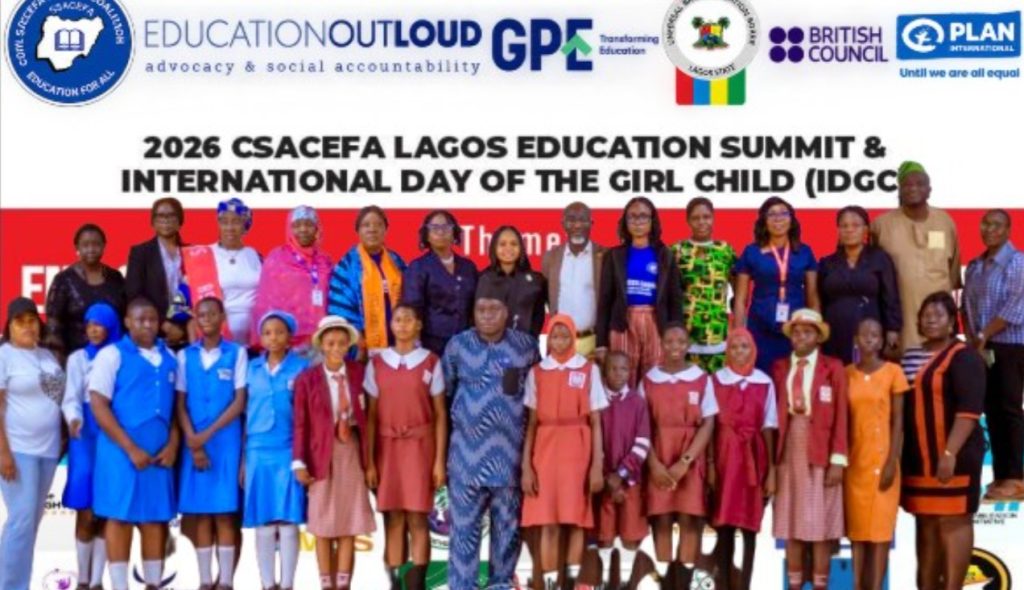
CSACEFA Advocates for Enhanced Investment in Girls' Education to Combat Child Marriage
The Coalition of Civil Society Action for Education for All (CSACEFA) calls for stronger protective measures for children and greater investment in girls' education during a Lagos summit. The organization emphasizes the urgent need to eliminate child marriage and reduce stigma surrounding pregnant schoolgirls.
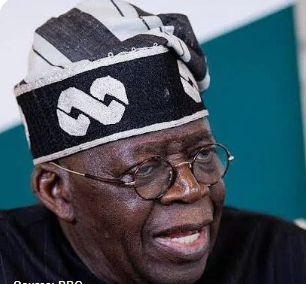
Tinubu Support Group Mobilizes Southeast Voters for 2027 Elections
The Tinubu Support Group in the Southeast is rallying for President Bola Tinubu's re-election, urging local voters to back APC candidates. However, internal dissent surfaces among APC leaders in Anambra regarding the party's strategic alliances and recognition.