

Assessing Tinubu's Legacy: The Enduring Impact of Leadership
As President Bola Ahmed Tinubu navigates his term, the true measure of his leadership will not solely be his actions in power but the lasting institutions and systems he establishes. The crucial question remains: what will he leave behind for Nigeria's future generations?
The Abuja Times

The legacy of a leader is often evaluated through the lens of their achievements and failures, but a more profound assessment involves the sustainability of their influence after they depart. President Bola Ahmed Tinubu's tenure will ultimately be judged by the institutions he bolsters, the individuals he empowers, and the political culture he nurtures. The challenge lies in creating a governance framework that thrives independently of his personal involvement.
Political analysts argue that a successful leader must instill a sense of competence over mere loyalty within the political landscape. In Nigeria, where allegiances often overshadow merit, the question arises: can Tinubu foster a political atmosphere that prioritizes effectiveness? This requires not only appointing capable individuals but also establishing a system where competence is recognized and rewarded.
Moreover, the concept of resilience in governance is paramount. Leaders who leave behind robust institutions enable future administrations to function without being tethered to their predecessors. This vision of governance entails creating structures that can withstand political upheaval and adapt to changing socio-economic conditions.
“A leader’s true test is not only what he does with power. It is what he leaves standing after he has gone,” noted political theorists, emphasizing the importance of legacy in leadership.
As Tinubu continues his presidency, the nation watches closely to see if he can transcend the challenges of the present and lay a foundation for a prosperous and self-sustaining Nigeria. His ability to nurture a political culture that values competence over loyalty may well define his legacy.
Share this article with your network
Broadcast directly to WhatsApp communities and news circles.
The Abuja Morning Dispatch
Get the capital's most important political investigations, cabinet decisions, and economic intelligence delivered to your inbox every morning.
About The Abuja Times
Super Admin & Lead Director
Related Dispatches in News
The Influence of Wealthy Businessmen in Nigerian Politics: A Cause for Concern
As Nigeria's political landscape becomes increasingly intertwined with the wealth of a few, questions arise about the implications for democracy and governance. Citizens must scrutinize whose interests are truly being represented in the political arena dominated by billionaire businessmen.
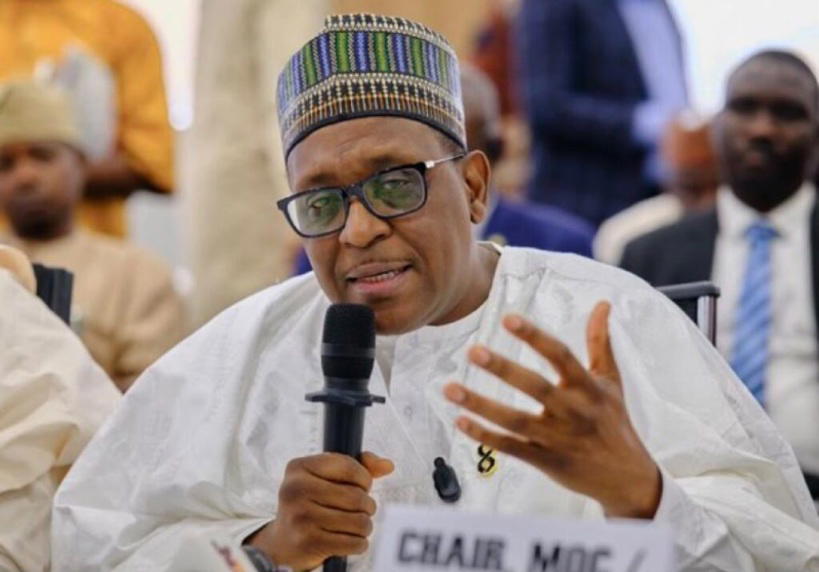
Genomic Analysis Reveals Link Between Nigeria and Kenya Ebola Cases
Recent genomic studies have connected Nigeria's confirmed Ebola case to the index case in Kenya, raising concerns as health authorities ramp up containment efforts. Despite these findings, officials emphasize the absence of direct travel links between the two cases.
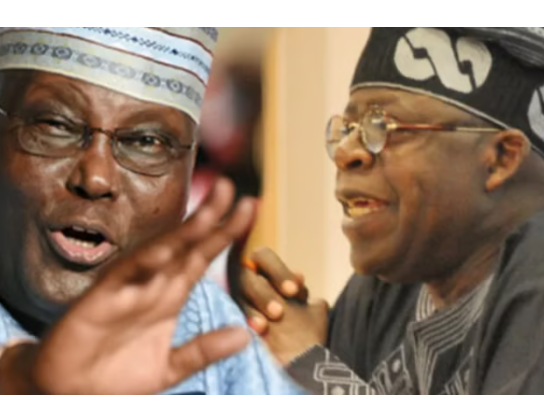
Political Loyalties in Flux: The Shift from Atiku to Tinubu's Camp
Recent developments in Nigerian politics highlight the fluidity of political allegiances, as former spokesmen for Atiku Abubakar transition to support President Bola Tinubu's re-election campaign. This shift raises questions about the nature of political loyalty and public perception in an ever-evolving political landscape.