

Asaba Massacre: 59 Years Later, A Call for Forgiveness and National Closure
Asaba commemorates the tragic massacre of 1967, as former leaders and community figures engage in a poignant reflection on forgiveness and the necessity of a formal apology from the Nigerian government. This year’s memorial serves not only as a reminder of past atrocities but also as a platform for reconciliation and healing.
The Abuja Times
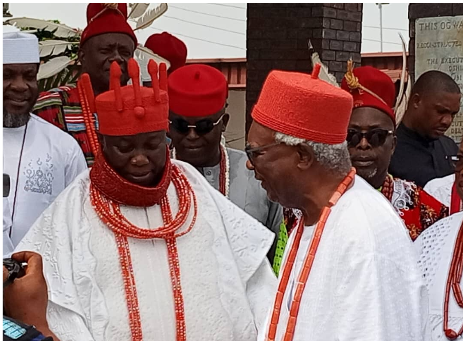
Fifty-nine years after the Asaba massacre, which claimed the lives of approximately 1,000 men during the Nigerian Civil War, the community continues to grapple with the profound scars left by this tragic event. On October 7, 2026, Asaba hosted a memorial that transcended mere mourning, evolving into a significant dialogue focused on the themes of forgiveness and reconciliation.
During the memorial, former President Olusegun Obasanjo, participating virtually, characterized the massacre as one of the most painful chapters in Nigeria's history. His reflections were echoed by Major General Ahmed Ibrahim Taiwo (retd.), son of the late Colonel Ibrahim Taiwo, whose actions during the massacre have been a point of contention. In a gesture of contrition, he publicly apologized for his father's role, emphasizing the importance of acknowledging past wrongs.
The Asagba of Asaba, HRM Prof. Epiphany Azinge, SAN, took a pivotal stance by declaring his community's willingness to forgive but underscoring the necessity for a formal apology from the current President of Nigeria. “We can forgive without forgetting,” he stated, highlighting the enduring need for national acknowledgment and closure regarding the events of 1967. The Asagba's remarks encapsulate a broader sentiment among many Nigerians who seek recognition of historical grievances as a foundation for true healing.
This year’s observance not only brought together survivors and descendants of victims but also served as a reminder of the collective responsibility to confront the past. The ongoing quest for justice and reconciliation in Nigeria illustrates the intricate relationship between memory, trauma, and national identity, as communities like Asaba strive to ensure that the lessons of history are neither ignored nor repeated.
Share this article with your network
Broadcast directly to WhatsApp communities and news circles.
The Abuja Morning Dispatch
Get the capital's most important political investigations, cabinet decisions, and economic intelligence delivered to your inbox every morning.
About The Abuja Times
Super Admin & Lead Director
Related Dispatches in News
Wike Warns Amaechi: Difficult Campaign Ahead in Rivers State
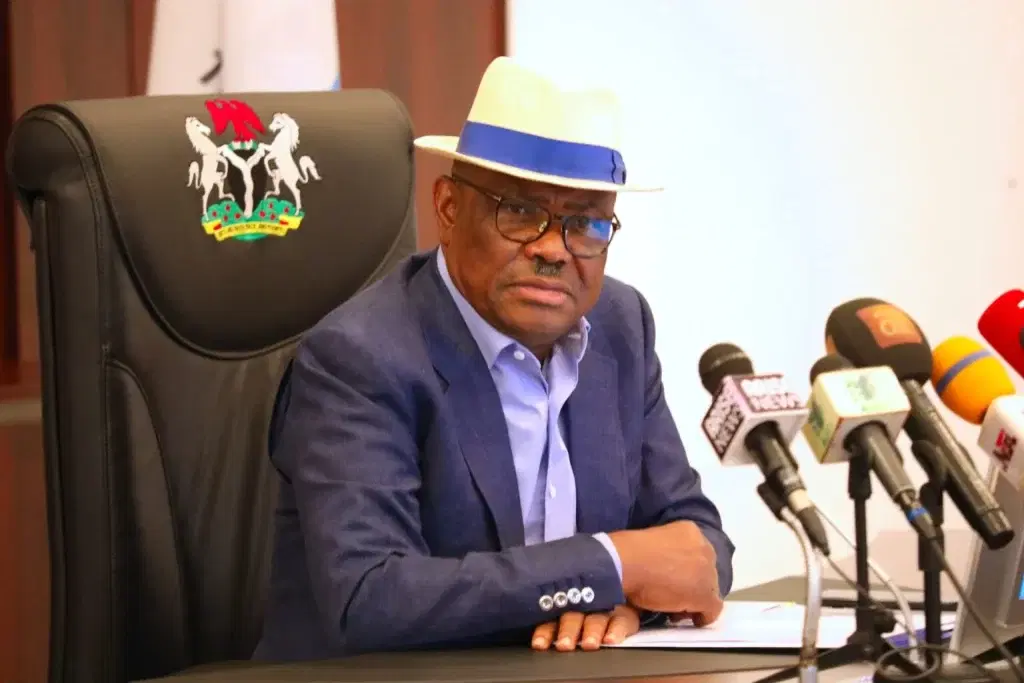
Nyesom Wike cautions Rotimi Amaechi that his campaign efforts in Rivers State may face significant challenges if he persists in his attacks against President Bola Tinubu and his supporters. Wike's remarks follow controversial comments made by Amaechi, which have sparked tensions within the political landscape.

Stand for Humanity Foundation Fights Alarming Child Abuse Cases in Imo State
In Imo State, escalating incidents of child abuse have prompted urgent intervention from the Stand for Humanity Foundation, which reports over 20 cases of maltreatment in recent months. Grievous acts include the severe injury of a five-year-old girl at the hands of her guardian, highlighting a disturbing trend of violence against children in the region.

Insecurity Looms Over APC's 2027 Aspirations Amid Rising Kidnapping Incidents
The recent abduction of prospective corps members in Imo State raises alarming questions about the safety of Nigerians and the implications for the APC as it heads towards the 2027 elections. With security concerns intertwining with economic and governance issues, President Bola Tinubu's administration must confront this vulnerability head-on.