

Addressing Xenophobia: Insights from Acting High Commissioner Temitope Ajayi on the Vulnerability of Nigerians in South Africa
In a revealing interview, Acting High Commissioner Temitope Ajayi discusses the reasons behind the vulnerability of Nigerians to xenophobia in South Africa and the necessary steps governments can take to alter this troubling narrative. Ajayi emphasizes the need for better support systems to aid undocumented Nigerians and foster a more positive perception abroad.
The Abuja Times

In a thought-provoking interview, Acting High Commissioner of Nigeria to South Africa, Temitope Ajayi, sheds light on the precarious situation that many Nigerians face in South Africa, particularly regarding xenophobic violence. Ajayi points out that while many Nigerians initially enter South Africa with valid documents, a significant number later find themselves undocumented due to various challenges, including bureaucratic hurdles and economic difficulties. This shift not only exacerbates their vulnerability but also contributes to negative stereotypes that fuel xenophobia.
Ajayi argues that the narrative surrounding Nigerians in South Africa must change, emphasizing that both the Nigerian and South African governments have critical roles to play in this transformation. "It is essential for our governments to engage in constructive dialogue, implement policies that protect our citizens abroad, and promote cultural exchange to foster understanding," he stated. He also highlighted the importance of addressing the root causes of migration, suggesting that sustainable development in Nigeria could reduce the number of people seeking opportunities in foreign lands.
Furthermore, Ajayi advocates for increased awareness and education among South African citizens about the contributions of Nigerians to the local economy and society. He believes that showcasing the positive impacts of the Nigerian community can help dismantle the myths that perpetuate xenophobia. "We need to tell our stories and show that we are here to contribute, not to take away from the society," he added.
As the conversation on xenophobia continues to gain traction, Ajayi's insights serve as a crucial reminder of the need for collaborative efforts between nations to protect vulnerable populations. The call for a united front against xenophobia not only benefits Nigerians but also strengthens the ties between Nigeria and South Africa, fostering a spirit of unity and mutual respect.
Share this article with your network
Broadcast directly to WhatsApp communities and news circles.
The Abuja Morning Dispatch
Get the capital's most important political investigations, cabinet decisions, and economic intelligence delivered to your inbox every morning.
About The Abuja Times
Super Admin & Lead Director
Related Dispatches in Africa
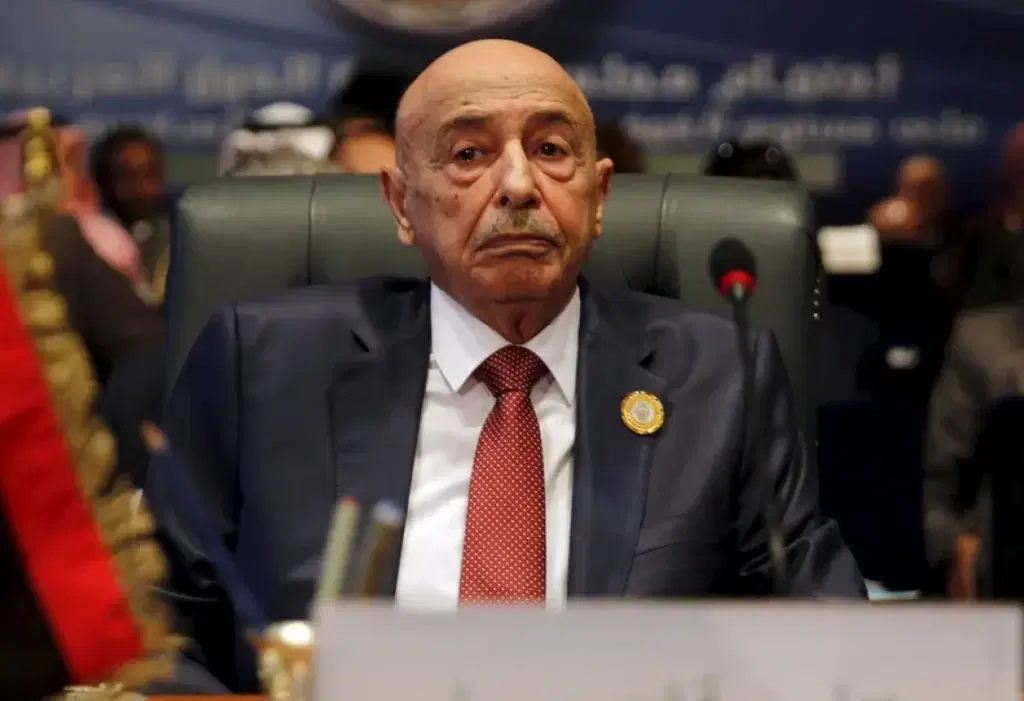
Libya's Parliament Speaker Agila Saleh Ousted After 12 Years in Office
In a significant political shift, Libya's long-serving parliament speaker Agila Saleh has been removed from his position after twelve years, amidst an evolving power dynamic in the country. His ousting reflects growing tensions within the eastern political landscape, particularly as rival factions vie for influence.

African Nations Urge Calm Amid Rising Tensions in Ethiopia
In response to escalating conflicts in Ethiopia's Tigray region, four African countries have united in a call for de-escalation and dialogue. This plea emphasizes the urgent need for peaceful resolution to prevent further instability in the region.

Navigating the US-South Africa Rift: Beyond the Surface Tensions
As diplomatic relations between the United States and South Africa face increasing strain, enduring commercial ties and strategic interests may pave the way for a pragmatic resolution. Analysts suggest that separating the visible conflicts from substantive engagements is crucial for future cooperation.