

ADC Announces Governorship Candidates for 2027 Elections in 28 States
The African Democratic Congress (ADC) has officially revealed its governorship candidates for the upcoming 2027 elections across 28 states, emphasizing its commitment to credible leadership. This move marks a significant step in the party's strategy to present a viable alternative to voters as Nigeria prepares for the next electoral cycle.
The Abuja Times

The African Democratic Congress (ADC) has unveiled its slate of governorship candidates for the 2027 elections, announcing representatives in 28 states. The party expressed confidence that these candidates are poised to provide credible leadership and offer Nigerians a genuine alternative to the prevailing political options. This strategic announcement underscores the ADC's ambition to strengthen its foothold in the nation's political landscape.
The ADC's leadership highlighted the importance of integrity and accountability, stating, "These men and women will carry the ADC banner and our commitment to offer Nigerians credible leadership and a real alternative." With the 2027 elections nearing, the party aims to mobilize support and resonate with the electorate's desire for change in governance.
As political dynamics shift in Nigeria, the ADC's initiative to present a diverse range of candidates is seen as a crucial part of its electoral strategy. The party is positioning itself as a key player in the upcoming elections, seeking to capitalize on the public's growing disenchantment with traditional political parties.
"Our candidates represent the hopes and aspirations of Nigerians who seek a better future. We are determined to make our mark in the upcoming elections," a party spokesperson remarked.
The unveiling of these candidates not only reflects the ADC's strategic planning but also aims to engage voters who are increasingly looking for alternatives in the face of longstanding political challenges. As the 2027 elections approach, all eyes will be on the ADC to see how its candidates perform in a competitive electoral environment.
Share this article with your network
Broadcast directly to WhatsApp communities and news circles.
The Abuja Morning Dispatch
Get the capital's most important political investigations, cabinet decisions, and economic intelligence delivered to your inbox every morning.
About The Abuja Times
Super Admin & Lead Director
Related Dispatches in News

The Influence of Wealthy Businessmen in Nigerian Politics: A Cause for Concern
As Nigeria's political landscape becomes increasingly intertwined with the wealth of a few, questions arise about the implications for democracy and governance. Citizens must scrutinize whose interests are truly being represented in the political arena dominated by billionaire businessmen.
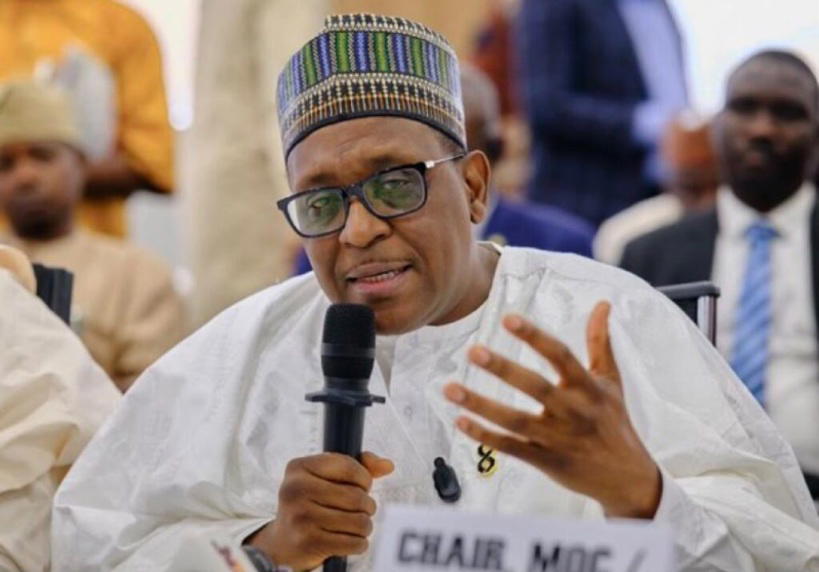
Genomic Analysis Reveals Link Between Nigeria and Kenya Ebola Cases
Recent genomic studies have connected Nigeria's confirmed Ebola case to the index case in Kenya, raising concerns as health authorities ramp up containment efforts. Despite these findings, officials emphasize the absence of direct travel links between the two cases.
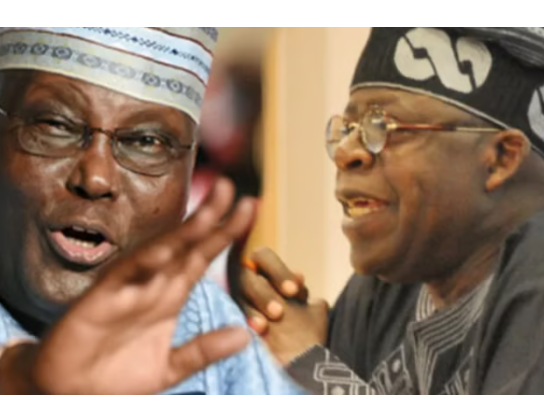
Political Loyalties in Flux: The Shift from Atiku to Tinubu's Camp
Recent developments in Nigerian politics highlight the fluidity of political allegiances, as former spokesmen for Atiku Abubakar transition to support President Bola Tinubu's re-election campaign. This shift raises questions about the nature of political loyalty and public perception in an ever-evolving political landscape.